
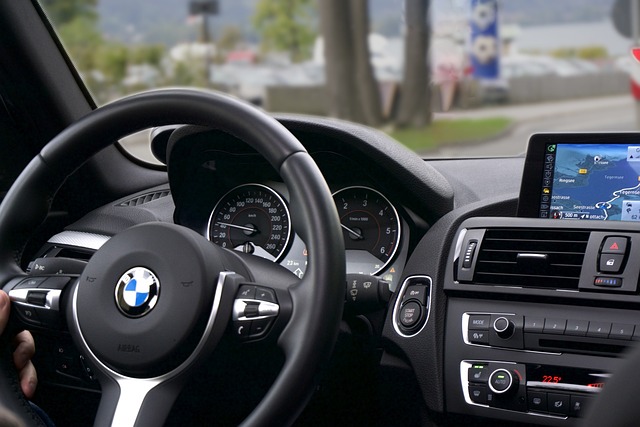
Registering a car in California is a vital step for any new owner, ensuring legal compliance and ownership rights. However, navigating the process can be challenging, with many details to manage. This comprehensive guide aims to demystify the registration journey, offering expert insights into every step. From gathering essential documents to understanding fee structures, we’ll walk you through the entire process, including the crucial DMV VIN verification—a critical component ensuring your vehicle’s authenticity and compliance. By the end, you’ll be well-equipped to handle this necessary administrative task with confidence.
- Gather Necessary Documents for DMV Registration
- Prepare Your Vehicle for Inspection: A Step-by-Step Guide
- Understand California Car Registration Fees and Requirements
- Perform a DMV VIN Verification: Ensuring Vehicle History Transparency
- Complete the Online or In-Person Car Registration Process Effortlessly
Gather Necessary Documents for DMV Registration

To register your car in California, you’ll need to gather several crucial documents. Among these, a Vehicle Identification Number (VIN) verification is essential. The DMV requires this step as part of the registration process to ensure vehicle authenticity and safety. This involves confirming key details like the make, model, year, and ownership history—a process that can be efficiently handled using mobile VIN verification tools.
One of the primary documents you’ll need is a valid driver’s license or state ID. Additionally, you must provide proof of insurance, which demonstrates financial responsibility and ensures your vehicle complies with California’s safety standards. Another critical document is the odometer reading, which signifies the vehicle’s current mileage. It’s important to note that some counties in California might accept a mobile VIN inspection as an alternative to a traditional DMV visit for this purpose.
Furthermore, you’ll require proof of residency, typically through documents like a utility bill or bank statement with your California address. If the car is being transferred from out-of-state, a title transfer document from the previous state’s DMV may be necessary. For classic or vintage cars, additional documentation might be needed to prove historical significance and eligibility for special registration programs. Always ensure your documents are up-to-date and accurate to streamline the registration process, and consider utilizing mobile VIN verifier apps for a more convenient and efficient approach.
Prepare Your Vehicle for Inspection: A Step-by-Step Guide

Before registering your car in California, ensure your vehicle passes the required safety inspection. The process begins with preparing your car for the DMV VIN verification, a critical step in the registration process. Start by performing a thorough wash and detailing to eliminate any visible damage or defects. This not only enhances the aesthetics but also facilitates an accurate inspection of the vehicle’s exterior. Next, check that all lights—headlights, taillights, turn signals—are functional. A mobile VIN verifier can be used at this stage to ensure your car’s unique Vehicle Identification Number (VIN) is accessible and accurate.
Inspect the tires for proper tread depth and inflation pressure. Spare tires should also meet these standards. A common oversight, improperly inflated or worn-out tires can fail the inspection. Verify that all safety features—belts, airbags, child seat anchors—are present and in good working order. Mobile vin inspection tools can help identify any potential issues early on, making the DMV visit smoother. For older vehicles, check for emission control components to ensure they’re in compliance with California’s environmental standards.
Finally, review your vehicle history report for any outstanding issues. Some mobile VIN verifiers provide this service, allowing you to address problems before presenting your car for inspection. By completing these steps, you’ll be well-prepared to navigate the DMV process and register your car in California smoothly.
Understand California Car Registration Fees and Requirements

Registering a car in California involves understanding specific fees and requirements to ensure a smooth process. One crucial step is the DMV VIN verification, which ensures that your vehicle’s unique identification number (VIN) matches the data on record. In recent years, the process has evolved with advancements in technology, offering options like mobile VIN verification through specialized apps. These tools allow drivers to conveniently conduct a VIN inspection from their smartphones, making it easier to confirm vehicle details before registration.
California car registration fees vary based on several factors, including the type and age of your vehicle. For example, fees for two-wheeled vehicles start at $43, while most cars and light trucks range between $50 and $200, depending on emissions standards. It’s essential to be prepared for these costs, which can often be paid online or at designated DMV locations. Some counties in California may also charge additional fees, so it’s advisable to check with your local authority for precise amounts.
During the registration process, you’ll need to present valid identification and proof of insurance. Additionally, ensuring that your vehicle has passed the required safety and emissions tests is paramount. Many Californians opt for mobile VIN verification services to streamline these checks, as they provide immediate results and convenience. By leveraging modern tools like these, drivers can navigate the registration labyrinth more efficiently, focusing on updating their vehicle records accurately and on time.
Perform a DMV VIN Verification: Ensuring Vehicle History Transparency

Before registering your car in California, performing a DMV VIN verification is a crucial step that ensures transparency in your vehicle’s history. The California Department of Motor Vehicles (DMV) offers various services to help you navigate this process seamlessly. One such service is the Vehicle Identification Number (VIN) inspection, which plays a vital role in verifying the authenticity and past usage of your car.
During a DMV VIN verification, your vehicle’s unique 17-character VIN is cross-referenced against comprehensive databases to reveal its entire history. This includes details about previous owners, maintenance records, accidents, and any reported issues. For instance, a simple mobile VIN inspection can provide insights into whether the car has been in any recalls or if there are outstanding repair warrants. Such transparency is essential for buyers and sellers alike to make informed decisions. According to recent studies, approximately 60% of vehicles with undisclosed issues change hands annually, highlighting the significance of thorough VIN inspections.
To facilitate this process, many third-party services offer mobile VIN verification solutions. These services send a specialist to your location to perform the inspection, ensuring convenience and efficiency. This approach is particularly beneficial for those who may not have the time or ability to visit a DMV office. By utilizing these modern tools, you can transform what was once a bureaucratic task into a straightforward, transparent experience. Remember, knowing the history of your vehicle empowers you to take ownership, both literally and metaphorically, from day one.
Complete the Online or In-Person Car Registration Process Effortlessly

Registering a car in California can be a straightforward process, whether you opt for the online or in-person method. Among the key steps, performing a DMV VIN verification stands out as a crucial stage to ensure everything is in order. This meticulous check ensures that your vehicle’s unique identifier, the Vehicle Identification Number (VIN), matches the information on record, enhancing both security and transparency throughout the registration process.
For those considering a more convenient approach, completing car registration online offers significant advantages. Many services now incorporate mobile VIN inspection tools, allowing you to verify your VIN digitally, saving time and effort. Simply enter your VIN into a reputable app or website designed for this purpose, and within minutes, you’ll receive detailed information about your vehicle’s history, including prior owners and any reported accidents, enabling informed decision-making. Alternatively, some mobile vin verifiers can even perform an on-site inspection, ensuring accuracy with minimal disruption to your schedule.
In-person registration at a California DMV office remains an option for those who prefer face-to-face interactions or have unique circumstances. However, even in this scenario, leveraging technology streamlines the process. Many local DMVs now accept mobile VIN verifications as part of their standard procedures, allowing you to spend less time filling out paperwork and more time focusing on other aspects of your vehicle’s registration. It’s worth noting that having accurate and up-to-date information, including a verified VIN, can help expedite the entire registration process, ensuring you’re on the road in no time.
Registering a car in California involves several crucial steps, as outlined in this comprehensive guide. Key insights include gathering essential documents, preparing your vehicle for inspection, understanding registration fees and requirements, and completing the registration process seamlessly. The article emphasizes the significance of performing a DMV VIN verification to ensure transparent vehicle history. By following these detailed instructions, you can navigate the registration process with confidence, ensuring your vehicle complies with California regulations. This authoritative guide equips readers with the knowledge needed to streamline their car registration experience.