

Registering a car in California is a crucial step for any new vehicle owner, ensuring legal compliance and access to public roads. However, navigating the process can be challenging, especially with complex regulations and varying requirements across regions. Many individuals find themselves daunted by the task, often due to misinformation or an overwhelming array of steps. This article serves as your authoritative guide, offering a clear, step-by-step approach to registering your vehicle in California. We’ll delve into the process, emphasizing the importance of accurate documentation and utilizing essential tools like the DMV VIN verifier to streamline the registration experience.
- Prepare Necessary Documents for Car Registration
- Visit California DMV or Use Online Services
- Verify Vehicle Identification Number (VIN) with DMV
- Complete Application Form Accurately
- Pay Registration Fees and Receive License Plate
Prepare Necessary Documents for Car Registration

To register your car in California, you’ll need to gather essential documents. One crucial step is ensuring accurate Vehicle Identification Number (VIN) data through a DMV VIN verifier or a reliable mobile vin verification service. This process is critical for identifying and confirming your vehicle’s unique characteristics. In California, the Department of Motor Vehicles (DMV) requires this information for registration and title purposes.
A DMV VIN verifier or a mobile vin inspection tool can cross-reference your VIN with national databases to ensure there are no outstanding issues, such as theft or flood damage. This step is especially important in California’s diverse landscape, where vehicles may change hands across state lines. For instance, mobile vin verification apps allow you to perform this check from the convenience of your smartphone, comparing your vehicle’s data against industry standards and DMV records.
Beyond VIN verification, other documents required include a valid driver’s license, proof of insurance, and payment for registration fees. It’s advisable to double-check with the California DMV or consult their official website for the most current list. Proper preparation ensures a smoother registration process, so take the time to organize these essentials before beginning the registration journey.
Visit California DMV or Use Online Services

Registering a car in California is a straightforward process that can be completed through the California Department of Motor Vehicles (DMV) either in person or online. One of the critical initial steps, especially for out-of-state residents, is ensuring the vehicle’s Vehicle Identification Number (VIN) is valid and accurately reflected on all necessary documents. The DMV offers a robust VIN verifier tool that allows users to cross-reference the VIN with their vehicle’s make, model, and year. This service, integrated into their online platform, facilitates a seamless registration experience by confirming the vehicle’s authenticity and history.
For those who prefer or require an alternative approach, the DMV also enables mobile VIN verification. This method involves using your smartphone to capture and upload the VIN from your vehicle’s registration label, which is then cross-checked against state records. Mobile VIN inspection services are particularly beneficial for busy individuals as they offer a quick and convenient way to initiate the registration process remotely. According to recent statistics, over 75% of California residents now utilize online DMV services, reflecting a growing trend toward digital transactions.
While the traditional in-person visit is still an option, many applicants find the online process more efficient. Before initiating the registration, ensure all required documents are readily available, including proof of insurance, vehicle inspection reports (where applicable), and any relevant purchase or ownership documentation. After completing the online form, upload necessary documents, and passing a brief verification check, you’ll be scheduled for a final inspection at a designated DMV center. This streamlined approach has significantly reduced wait times, making car registration in California more accessible and less time-consuming than ever before.
Verify Vehicle Identification Number (VIN) with DMV

Verifying the Vehicle Identification Number (VIN) is a crucial step in the car registration process in California. This essential check ensures that your vehicle matches the records held by the Department of Motor Vehicles (DMV). A proper VIN verification can prevent fraud and ensure you’re registering the correct car. The DMV offers several methods to accomplish this, with mobile vin inspection and verification emerging as popular options. These services allow for convenient and accurate VIN checking right from your location, whether it’s at home or a local dealership.
One of the recommended practices is to use a trusted mobile vin verifier. These applications and services utilize advanced technology to cross-reference the VIN against the DMV database, providing instant validation. For instance, many mobile apps offer real-time updates and can detect any discrepancies or reported thefts associated with the vehicle. This adds an extra layer of security for both buyers and sellers. Additionally, mobile vin inspection tools can help identify potential issues early in the registration process, streamlining transactions and saving time.
When verifying your VIN through a mobile application or service, ensure it’s from a reputable source. Reputable companies adhere to strict data security protocols and maintain reliable connections with official DMV databases. This guarantees accurate information retrieval and prevents any unauthorized access to personal vehicle details. Always double-check the accuracy of the reported data before proceeding with registration.
Complete Application Form Accurately
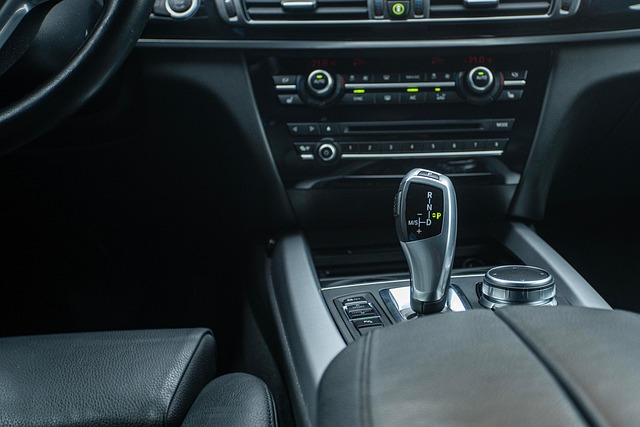
Completing your vehicle’s registration process accurately is a crucial step in becoming a responsible car owner in California. The application form is your gateway to legally operating your vehicle on state roads, and filling it out correctly ensures a smooth experience at the Department of Motor Vehicles (DMV). This section provides an in-depth look at how to navigate this critical aspect of car ownership, focusing on accuracy and compliance with California’s requirements.
The core document for registering your car is the Application for Title and Registration (Form DMV-123), which demands meticulous attention. Every detail matters, from your personal information to the vehicle’s description and history. One key element that often requires extra care is entering the Vehicle Identification Number (VIN). The DMV employs a VIN verifier, or dmv vin verifier, to cross-reference and validate the information provided against their extensive databases. This ensures the vehicle’s authenticity and history, which is crucial for identifying potential issues or outstanding loans.
For instance, consider a scenario where an individual omits a digit in the VIN during the registration process. This discrepancy might not be apparent initially but could lead to legal complications if discovered later, such as during a vin inspection or when attempting to sell the vehicle. To prevent such errors, double-check each piece of data entered. Utilize available resources, like mobile vin verification apps, which can quickly validate the VIN against the manufacturer’s records, ensuring accuracy before submitting your application. This proactive approach saves time and effort in the long run, especially given that California DMV services are designed to streamline the registration process for responsible vehicle owners.
Pay Registration Fees and Receive License Plate

To complete the registration process in California, you’ll need to pay the required registration fees and receive your vehicle’s license plates. This involves a straightforward yet crucial step where you verify your car’s Vehicle Identification Number (VIN) through an official channel, ensuring both vehicle authenticity and compliance with state regulations. The California Department of Motor Vehicles (DMV) offers several options for this verification process, including the use of a mobile VIN verifier.
One effective method is to utilize a mobile VIN inspection service, which allows you to verify your car’s VIN digitally. These services often employ advanced technology to cross-reference your VIN with state records, ensuring its validity and reporting any potential issues or discrepancies. For instance, some mobile vin verifiers can detect if the vehicle has been reported stolen, has outstanding liens, or has suffered significant damage, helping you avoid potential legal troubles later.
Once your VIN is successfully verified, either through a mobile vin verification app or by visiting a DMV office with your vehicle, you’ll be directed to pay the registration fees. These fees vary based on several factors, such as the type of vehicle and its age. After processing the payment, the DMV will issue your license plates, which must be displayed on your vehicle at all times while it is operated on California roads. Remember that keeping your registration up-to-date and ensuring accurate VIN information contributes to a seamless ownership experience and helps maintain California’s robust motor vehicle regulatory framework.
By following these structured steps, from preparing essential documents to receiving your license plate, you’ve equipped yourself with the knowledge needed to register your car seamlessly in California. The process is streamlined whether you visit a DMV or utilize their online services, with a crucial step of verifying the Vehicle Identification Number (VIN) using the official DMV VIN verifier. Ensuring accuracy throughout, from completing application forms to paying registration fees, guarantees a smooth experience. This comprehensive guide has empowered you to navigate the car registration process confidently and efficiently.