

Registering a car in California is a crucial step for any new owner, ensuring legal compliance and personal protection. However, navigating the process can be confusing, with various requirements and paperwork involved. This comprehensive guide aims to demystify the procedure, offering expert insights on every step. We’ll walk you through each phase, from gathering essential documents to utilizing reliable tools like the DMV VIN verifier, ensuring a seamless and stress-free experience. By the end, you’ll be equipped with the knowledge to register your vehicle efficiently.
- Prepare Required Documents for Car Registration
- Visit the California DMV: Step-by-Step Guide
- Verify Vehicle Identity with DMV VIN Verifier
- Complete Application and Pay Registration Fees
- Receive Your Registration Certificate and Tags
Prepare Required Documents for Car Registration

Before you begin the car registration process in California, it’s crucial to prepare the necessary documents, ensuring a smooth and efficient experience. One key step is verifying your vehicle’s unique identifier—the Vehicle Identification Number (VIN). The California Department of Motor Vehicles (DMV) requires this for all registrations, making a reliable VIN verifier an essential tool.
Utilize a mobile VIN verifier or conduct a digital inspection to gather accurate data quickly. This method involves scanning the VIN plate located on your vehicle’s dashboard or door post. Many apps and online services offer these mobile verifiers, providing immediate access to detailed vehicle history reports. Ensure the information aligns with your car’s specifications to avoid delays. For instance, checking for any previous accidents, outstanding recalls, or identifying the manufacturer and model accurately.
Additionally, gather essential documents like proof of ownership (a title or bill of sale), current registration from another state, insurance documentation, and a valid driver’s license. While a mobile VIN inspection streamlines initial checks, it may not replace a formal DMV visit for complex cases. Preparedness with these documents will help navigate any potential issues during the registration process, ensuring your vehicle is officially registered in California without hassle.
Visit the California DMV: Step-by-Step Guide
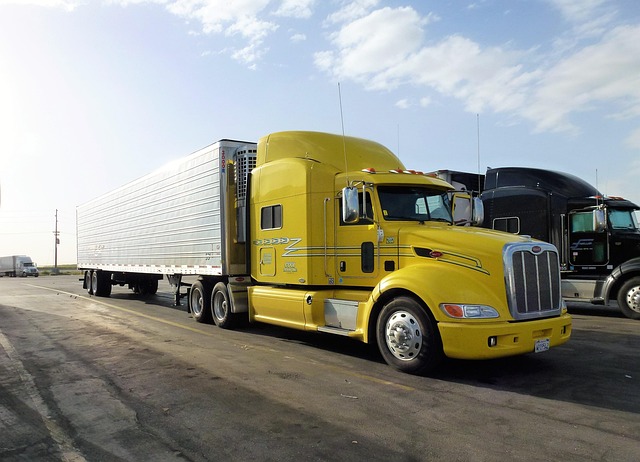
Visiting the California DMV is a crucial step in registering your car. Here’s a detailed, step-by-step guide to ensure the process goes smoothly. First, gather all necessary documents, including your vehicle’s registration from the previous state (if applicable), proof of insurance, and identification such as a driver’s license or state ID card. You’ll also need the Vehicle Identification Number (VIN) from your car, which can be found on the vehicle’s certificate of title or on the label located on the driver’s side door jamb. The DMV offers both in-person and mobile VIN verification services to make this process accessible.
When you arrive at the DMV, locate the appropriate counter for registration. A representative will assist you in filling out Form DV306, which is the Application for Title and Registration. Here, you’ll need to input your personal information, vehicle details including the VIN, and sign the necessary documents. If conducting a mobile VIN inspection, a DMV inspector will remotely verify your car’s identity by cross-referencing the provided VIN with state records using specialized software. This process streamlines registration, especially for those unable to visit a physical location.
After submitting all required forms and verifying your vehicle’s information through the DMV’s system or mobile vin inspection, you’ll need to make payments for registration fees. The amount varies based on your vehicle type and other factors. Once processed, the DMV will issue a new registration certificate, updating your car’s official record in California. Remember, maintaining accurate vehicle records is essential, not just for registration but also for future transactions like selling or transferring ownership, ensuring you stay compliant with California’s regulations.
Verify Vehicle Identity with DMV VIN Verifier

Verifying your vehicle’s identity is a critical step in the car registration process in California. This involves using the Vehicle Identification Number (VIN) to ensure that the vehicle you’re registering matches the records in the Department of Motor Vehicles (DMV) system. One effective method for this verification is through a DMV VIN verifier, which can be either an online tool or a mobile vin inspection service. These tools cross-reference the provided VIN with the DMV’s database to confirm the vehicle’s make, model, year, and other critical details.
For instance, many mobile vin verification services send a technician to your location to perform a physical inspection of the vehicle. This technician uses specialized equipment to read the VIN from the car’s chassis and then compares it against the manufacturer’s records. In some cases, these services can also provide additional insights, such as the vehicle’s history report, which includes details about past owners, accidents, or significant repairs. Such thoroughness is particularly valuable for buyers who want to ensure they’re not acquiring a car with undisclosed issues.
Alternatively, online DMV VIN verifiers offer a convenient digital solution. Users simply input their VIN and access a comprehensive report that matches the vehicle against the state’s records. This method is ideal for those already familiar with their car’s details and looking for a quick verification process. However, it’s crucial to use reputable services, as not all online platforms provide accurate or up-to-date information. Verifying through a recognized mobile vin inspection service or utilizing an official DMV VIN verifier ensures the highest level of accuracy.
Complete Application and Pay Registration Fees

To register your car in California, you’ll need to complete a series of steps, starting with a thorough vehicle inspection. One effective tool for this process is a mobile VIN verifier, which allows you to conduct a remote, accurate check on your vehicle’s history and condition. Begin by gathering all necessary documentation, including proof of ownership, current registration (if applicable), and valid identification. The California Department of Motor Vehicles (DMV) recommends using an approved mobile VIN inspection service to verify the vehicle’s identity and ensure it meets safety standards.
Next, fill out Form MV-56, which is the Application for Title and Registration. This form requires detailed information about your vehicle, such as make, model, year, and VIN (Vehicle Identification Number). It’s crucial to input this data accurately, as the DMV uses the VIN to perform its own verification through a dmv vin verifier. Double-check all details before submitting the form. After completing the application, you’ll need to pay the registration fees. California charges a base fee plus additional costs based on your vehicle’s type and age. You can typically pay online or at a local DMV office using various payment methods.
Once your application is approved and fees are paid, the DMV will issue a registration certificate and license plate. They’ll also update the vehicle’s record in their system, ensuring it’s accurately reflected as registered in California. If you used a mobile VIN verifier early in the process, this step serves as validation that your car meets all legal requirements for registration. Remember to display the new license plates on your vehicle promptly to avoid fines and legal issues.
Receive Your Registration Certificate and Tags

After completing your car’s registration process at the California DMV, it’s time to receive your official documents. This crucial step involves obtaining your Registration Certificate and license plates, ensuring a legitimate and properly documented vehicle. The process is designed to verify your vehicle’s identity, primarily through its Vehicle Identification Number (VIN). Utilizing advanced tools like a mobile VIN inspection or verifier can significantly streamline this stage, offering convenience and accuracy.
The DMV offers various methods for this finalization. One common approach involves an online request, where you can print your certificate and order plates from the comfort of your home. Alternatively, many California locations provide on-site services, allowing you to register and obtain your documents immediately. During this process, the DMV will conduct a comprehensive check using your VIN, ensuring the vehicle’s history aligns with the information provided. This step is vital to prevent fraud and ensure every registered car has an accurate record.
To maximize efficiency, consider employing a mobile VIN verifier prior to visiting the DMV. These tools provide instant, precise data on a vehicle’s history, including any previous owners, accidents, or outstanding issues. By having this information beforehand, you can approach the registration process with confidence and potentially avoid unexpected delays. This modern solution reflects California’s commitment to embracing technology for seamless government services.
Registering a car in California involves careful preparation and adherence to specific procedures. By gathering the necessary documents, following a structured guide at the DMV, and verifying vehicle identity with a DMV VIN Verifier, you can ensure a smooth process. Completing the application, paying fees, and receiving your registration certificate and tags marks a significant milestone, empowering you to legally operate your vehicle within the state. This comprehensive article has outlined these steps, providing practical insights for a successful car registration experience.