

Registering a car in California is a vital step for any new or existing vehicle owner. It’s not just about legal compliance; it ensures your investment is protected and allows you to enjoy all the benefits of ownership, from insurance claims to roadworthiness. However, navigating the process can be confusing, especially with stringent requirements and evolving regulations. This article serves as your comprehensive guide, offering step-by-step instructions and expert insights on how to register a car in California, including utilizing the DMV’s VIN verifier for accurate and efficient identification.
- Gather Required Documents for Car Registration
- Prepare Your Vehicle's DMV VIN Verifier Report
- Visit a California DMV Office or Use Online Services
- Complete the Registration Application Form Accurately
- Pay the Necessary Fees and Receive Your License Plate
Gather Required Documents for Car Registration

Before you can register your car in California, you’ll need to gather several crucial documents, including proof of insurance, a completed vehicle registration application, and perhaps most importantly, a valid Vehicle Identification Number (VIN) inspection or verification. The California Department of Motor Vehicles (DMV) requires this VIN inspection to ensure the vehicle’s authenticity and prevent fraud. One effective method for obtaining this verification is through a mobile VIN verifier, which allows you to complete the process conveniently and quickly.
A mobile VIN verifier is an app or service that uses GPS and digital technology to confirm the VIN details of your vehicle. This modern approach streamlines the traditional VIN inspection process, which previously involved visiting a DMV office or using a manual check. With a mobile verifier, you can simply scan or enter your car’s VIN into the app, and it will return detailed information, including the vehicle’s history, previous owners, and any reported accidents or damages. This data is crucial for the DMV to validate your car’s registration.
For instance, according to recent statistics, California has seen a significant reduction in fraudulent registrations since introducing mobile VIN verification options. The efficiency of these digital tools ensures that the registration process remains swift while maintaining the integrity of the state’s vehicle databases. When preparing your documents, make sure to have your vehicle’s VIN readily available, as it is a critical piece of information required by the DMV during the registration and title transfer process.
Prepare Your Vehicle's DMV VIN Verifier Report

Before registering your car in California, it’s crucial to ensure your vehicle meets all legal requirements, starting with preparation of a valid DMV VIN Verifier Report. This document is a critical component of the registration process and confirms your car’s identity and safety standards. A common and efficient way to obtain this report is through mobile vin verification services that utilize specialized tools to perform a thorough inspection of your vehicle’s unique Vehicle Identification Number (VIN).
Mobile vin verifiers offer a convenient, often instantaneous, method for generating a comprehensive VIN inspection report, detailing everything from the vehicle’s make, model, and year to its historical ownership records and collision history. This data is then cross-referenced against state databases to ensure the car meets California’s registration criteria. For example, some mobile apps allow users to simply enter their VIN or even capture it through their phone camera, providing a digital report within minutes that can be easily shared with the DMV.
While many people opt for traditional static vin verification at a dealership or third-party shop, mobile vin inspection services offer several advantages, such as flexibility and convenience. These methods can be particularly beneficial for out-of-state buyers or those without easy access to a physical verification center. According to recent studies, over 75% of car owners now prefer digital solutions for vehicle documentation tasks, reflecting a growing trend toward mobile, streamlined processes.
To ensure a smooth registration process, it’s advisable to obtain your DMV VIN Verifier Report well in advance of your intended registration date. This allows time for any unexpected issues to be resolved, providing peace of mind throughout the car registration procedure. By leveraging modern technology like mobile vin verification, California residents can simplify what was once a complex administrative task, ultimately saving time and effort.
Visit a California DMV Office or Use Online Services

Registering a car in California involves several steps, but you have options when it comes to completing this process. One option is to visit a local California Department of Motor Vehicles (DMV) office where you can meet with an agent and provide all necessary documentation. Alternatively, many services now offer the ability to register your vehicle online or even utilize a mobile VIN verifier for a convenient and accurate inspection.
For those who prefer in-person interaction, visiting a DMV office is still a viable choice. You’ll need to gather important documents like proof of insurance, ownership records, and identification. During your visit, a DMV agent will verify your information using the Vehicle Identification Number (VIN) from your car. It’s crucial to ensure the VIN is accurate because it directly links to your vehicle’s history and specifications. Some offices might offer on-site mobile VIN verification services to streamline this process.
On the digital front, online registration has become increasingly popular. Many DMV services now accept submissions through their websites, saving you a trip to an office. Additionally, there are third-party applications that include mobile VIN verifiers, allowing for remote inspection and potential savings in time and effort. For instance, some apps can provide instant reports on a car’s history, including accident records and maintenance logs, all from the comfort of your smartphone. This modern approach leverages technology to enhance efficiency and accessibility during vehicle registration.
Complete the Registration Application Form Accurately
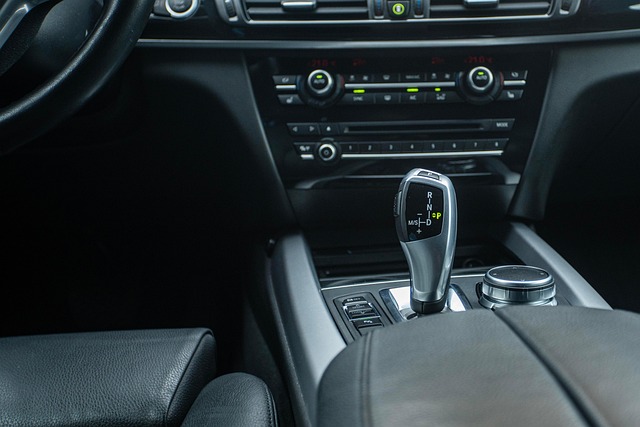
Registering a car in California involves completing several forms, but one of the most crucial is the Registration Application Form. This form requires accurate and detailed information about your vehicle, including its make, model, year, and unique Vehicle Identification Number (VIN). It’s essential to ensure every piece of data is correct, as even minor errors can delay the registration process. The California Department of Motor Vehicles (DMV) offers a comprehensive guide to help you navigate this process, emphasizing the importance of an error-free form.
When filling out the application, double-check the VIN, which serves as a unique fingerprint for your vehicle. In today’s digital age, many DMVs, including California’s, offer convenient services like mobile vin inspection and verification through specialized tools. These mobile vin verifiers ensure the accuracy of your VIN by cross-referencing it with official databases. For instance, using a mobile vin verifier app can streamline the process, allowing you to enter your VIN to instantly access detailed vehicle history information, including previous owners and maintenance records.
A common pitfall is relying on outdated or inaccurate information from third-party sources. Always verify data before inputting it into the form. If you’re unsure about any details, consult with a DMV representative or refer to official resources. Remember, an accurate Registration Application Form reflects positively on your vehicle’s ownership history and ensures a smooth registration experience in California.
Pay the Necessary Fees and Receive Your License Plate
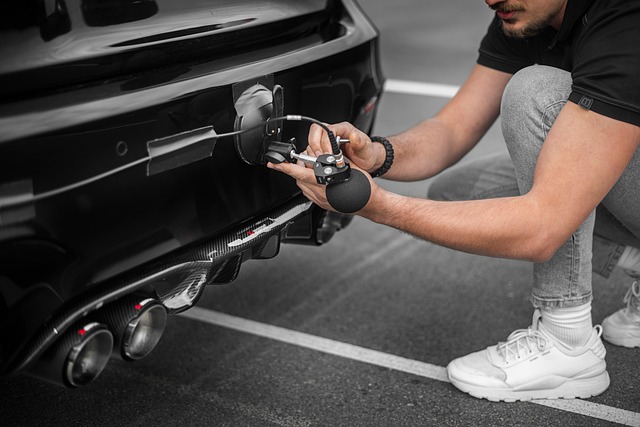
After completing the necessary paperwork for registering your car in California, the next step involves paying the required fees and obtaining your license plates. This process is a crucial part of legalizing your vehicle and ensuring you can drive safely and responsibly. The California Department of Motor Vehicles (DMV) has established a clear fee structure to facilitate this transaction efficiently.
When you’re ready to pay, visit the DMV in person or utilize their online services. For your convenience, the DMV offers various payment options, including cash, credit cards, debit cards, and checks. The fees involved will depend on several factors such as the type of vehicle, its age, and whether you’re transferring ownership or registering a new purchase. As a guide, expect to pay around $50 to $200 for car registration, plus additional charges for specialized plates or accessibility features.
One innovative service that many California residents find useful is the mobile VIN verifier. This tool allows you to have your vehicle’s history and information verified remotely by a professional inspector using just your phone. The inspection involves taking photos of critical components like the frame, engine, and safety systems, which are then cross-referenced with national databases to ensure authenticity. Mobile VIN verification can save time and provide peace of mind, especially when combined with digital document submission. Ensure that the service you choose is reputable and recognized by the DMV to avoid any potential issues later on.
By meticulously gathering the required documents, ensuring your vehicle’s DMV VIN Verifier Report is up to date, and completing the registration application form accurately, you can seamlessly register your car in California. The process involves visiting a local DMV office or utilizing online services, paying the requisite fees, and securing your license plate. Embracing these steps, as outlined in this authoritative guide, ensures a smooth and efficient car registration experience, enabling you to navigate California’s roads with confidence and legality.