

Registering a car in California is a vital process, ensuring legal operation and ownership rights. However, navigating the bureaucracy can be daunting for new vehicle owners. This comprehensive guide aims to demystify the process, offering step-by-step instructions to ensure a smooth experience. From gathering essential documents to performing a VIN verification, we’ll walk you through every crucial stage. By following these expert tips, you’ll gain confidence in registering your vehicle, avoiding common pitfalls, and ensuring compliance with California’s requirements.
- Prepare Required Documents for Car Registration
- Understand California's Vehicle Identification Number (VIN) Verification Process
- Visit Your Local California Department of Motor Vehicles (DMV) Office
- Complete the Car Registration Application Form Accurately
- Pay the Necessary Fees and Receive Your Registration Certificate
Prepare Required Documents for Car Registration

To register a car in California, you’ll need to gather essential documents, ensuring a smooth and efficient process. One critical step is verifying your Vehicle Identification Number (VIN). This process confirms the vehicle’s authenticity and history, which is crucial for safety and legal compliance. A mobile VIN inspection or verification service can significantly simplify this task, especially if you’re busy or have limited access to traditional inspection facilities. Many companies now offer these services, allowing you to complete your VIN verification promptly from the comfort of your home or office.
California requires specific documents for car registration, and having your VIN verified is a significant part of this process. Key documentation includes proof of ownership, such as a title or bill of sale, along with valid identification like a driver’s license. Additionally, you’ll need to provide evidence of insurance and possibly pay registration fees, which vary based on vehicle type and age. Once these documents are prepared, the next step involves scheduling or arranging for a mobile VIN inspection. This service sends a trained professional to your location to perform the necessary checks and ensure your vehicle’s details match the recorded information.
When preparing for your car registration, consider using a reputable mobile VIN verification service. These professionals utilize specialized equipment to cross-reference your vehicle’s data against national databases, providing immediate results. This method is particularly beneficial when dealing with older or classic cars, where historical records might be less accessible. By completing this step early in the registration process, you can avoid potential delays and ensure a hassle-free experience.
Understand California's Vehicle Identification Number (VIN) Verification Process
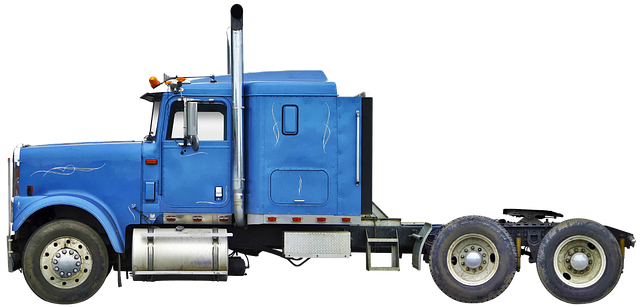
California’s Vehicle Identification Number (VIN) verification process is a crucial step in the car registration procedure, ensuring vehicle authenticity and compliance with state regulations. This rigorous inspection aims to prevent fraud, identify stolen vehicles, and ensure that all cars on California’s roads meet safety standards. During VIN verification, a mobile vin verifier or inspector will cross-reference the provided VIN with data from multiple databases, including the National Motor Vehicle Title Information System (NMVTIS).
The process involves an in-depth examination of the vehicle’s history, checking for any title issues, accidents, or outstanding loans. For instance, if a car has been reported stolen, the inspection will flag this information, preventing its registration. Similarly, mobile vin inspections have become increasingly popular due to their convenience and efficiency. These inspections can be conducted at various locations, including dealerships, auto repair shops, and even private residences, making it easier for residents to complete their vehicle registration.
A key aspect of VIN verification is ensuring the accuracy of the number itself. Any discrepancies or alterations will be detected by the inspector, who will require additional documentation or even replace the VIN plate if necessary. It’s important for vehicle owners to provide accurate information throughout this process. Data from NMVTIS, combined with a mobile vin inspection, provides a comprehensive view of a car’s history, allowing California’s Department of Motor Vehicles (DMV) to issue a valid registration and license plate.
Visit Your Local California Department of Motor Vehicles (DMV) Office
Visiting your local California Department of Motor Vehicles (DMV) office is a crucial step in registering your car in the Golden State. This process serves as a cornerstone for vehicle ownership, ensuring that your car meets safety and environmental standards. When you visit the DMV, one of the key tasks involves verifying the Vehicle Identification Number (VIN). This verification is essential to ensure the authenticity and history of your vehicle, which can be done on-site using official tools and resources.
For instance, California offers various services to streamline this process, including mobile VIN verification options. Mobile vin verifiers, such as those provided by certified third-party services, can perform real-time checks, comparing your car’s VIN against state records to confirm its status. This is particularly convenient for individuals who may not have the time or ability to visit a DMV office in person. The accuracy of these mobile inspections is comparable to traditional vin verification methods employed by the DMV, ensuring that your vehicle’s history remains intact and accessible.
During your visit, expect to present essential documents like the title, registration, proof of insurance, and valid identification. Additionally, be prepared to answer questions regarding the car’s ownership history and any previous accidents or damage. The DMV staff will guide you through the process, ensuring that all requirements are met before issuing your vehicle registration. It’s advisable to check the specific procedures and documents needed with your local DMV branch, as requirements may vary slightly across California’s diverse regions.
Complete the Car Registration Application Form Accurately

Completing the Car Registration Application Form accurately is a critical step in the registration process. The form requires meticulous attention to detail as it includes vital information that will be used for various administrative and safety purposes. One of the most crucial pieces of data is the Vehicle Identification Number (VIN) verification, which ensures the vehicle’s authenticity and history. It’s essential to ensure the VIN is entered correctly, as errors can lead to delays or even rejection of your application.
When filling out the form, double-check that the VIN provided matches exactly with the one on your car’s registration certificate or title document. If you’re unsure about any part of the VIN, consult with a professional or use a reliable mobile VIN inspection tool that can verify the information digitally. These tools are especially useful when purchasing a used vehicle as they allow for quick cross-referencing of the VIN against national databases to check for accident history, odometer rollback, or other potential issues.
For instance, according to the California Department of Motor Vehicles (DMV), submitting an inaccurate VIN can result in delays of up to 30 days for verification. To streamline the process, consider using a mobile VIN verifier before submitting your application. This not only saves time but also enhances accuracy, ensuring that once your car is registered, its history remains transparent and accessible to authorized parties through digital means.
Pay the Necessary Fees and Receive Your Registration Certificate

After completing the necessary forms and gathering all required documents, the next step in registering your car in California is to pay the associated fees. These include the registration fee, a vehicle identification number (VIN) verification fee, and any additional taxes or surcharges. The registration fee varies based on the type of vehicle and its age, with higher rates for newer models and SUVs. A VIN inspection or verification, often referred to as a mobile VIN inspection or mobile VIN verification service, is crucial to ensure the accuracy of your vehicle’s information. This process involves scanning the VIN from your car’s registration documents and cross-referencing it with state records to confirm ownership and history.
Many California residents opt for a convenient mobile VIN inspection service, allowing them to complete this step without visiting a DMV office. These services often provide real-time data access, ensuring that your vehicle passes the VIN verification quickly and accurately. Once your fee payments are processed and the VIN is successfully verified, you will receive your Registration Certificate. This document is proof of your car’s registration and must be kept in your vehicle at all times. It’s important to handle this certificate with care, as it contains sensitive information that could be exploited if lost or stolen.
As a best practice, keep records of all transactions, including receipts for fees paid, VIN inspection reports, and any correspondence with the DMV. These documents can streamline future registration renewals and help prevent issues related to vehicle ownership. By following these steps and ensuring accurate VIN verification, you’ll have successfully navigated the process of registering your car in California.
By meticulously preparing required documents, understanding California’s stringent VIN verification process, and accurately completing applications at your local DMV office, you can seamlessly register your car in California. This article has guided you through each step, emphasizing the critical role of accurate information and proper documentation. The VIN verification process, a cornerstone of California’s registration system, ensures vehicle authenticity and safety. Armed with this knowledge, you’re now equipped to navigate the registration process efficiently, ensuring your vehicle is legally registered and road-ready. Take these insights and apply them directly, simplifying the car registration journey in California.