
Registering a car in California is not just an administrative task; it’s a critical step ensuring your vehicle is legally recognized on the state’s roads. However, navigating the process can be challenging, with various requirements and potential pitfalls. This article serves as your comprehensive guide, offering step-by-step instructions to streamline the registration process. We’ll delve into essential aspects like title transfer, emissions testing, and, crucially, VIN verification to ensure accuracy and avoid common mistakes. By the end, you’ll be equipped to register your vehicle with confidence.
- Prepare Necessary Documents for Car Registration
- Visit Your Local California Department of Motor Vehicles (DMV)
- Provide Proof of Identification and Insurance
- Submit Your Vehicle's Information and VIN Verification
- Pay Registration Fees and Receive Your License Plate
Prepare Necessary Documents for Car Registration

To register a car in California, you’ll need to gather several crucial documents. These ensure your vehicle complies with state regulations and facilitate the registration process smoothly. Among these, the Vehicle Identification Number (VIN) is paramount. The VIN serves as a unique fingerprint for your car and is essential for identification and verification purposes during registration. This is where mobile VIN inspection and verification services come into play, offering a convenient and efficient way to ensure your data is accurate.
One of the primary documents required is the Certificate of Title, often referred to as the title. This document proves ownership and must be signed by the seller (if applicable) and completed with your personal information. Additionally, you’ll need a current registration from another state if you’re transferring a vehicle, or a manufacturer’s certificate of origin for new vehicles. An important step is conducting a mobile VIN verification using a trusted service to check the vehicle’s history and ensure it meets California’s standards, enhancing the accuracy of your paperwork.
Other essential documents include valid identification, such as a driver’s license or state ID card, proof of insurance, and payment for registration fees. It’s also advisable to have maintenance records and any applicable emissions test results ready. By preparing these documents thoroughly, including verifying your VIN using a mobile verifier, you’ll streamline the car registration process in California and avoid potential delays.
Visit Your Local California Department of Motor Vehicles (DMV)

Visiting your local California Department of Motor Vehicles (DMV) is a crucial step in the car registration process. This in-person interaction serves as the cornerstone for ensuring your vehicle complies with state regulations. When you arrive at the DMV, one of the key procedures involves confirming the Vehicle Identification Number (VIN) through a meticulous verification process. This step is essential to safeguard against fraud and ensure the vehicle’s history aligns with its claimed ownership. For instance, many DMVs now utilize advanced mobile VIN verifiers, allowing for on-site digital inspections that enhance accuracy and efficiency.
The VIN inspection is a critical component of the registration checklist. It involves cross-referencing the unique 17-character VIN against comprehensive databases to gather crucial information about the vehicle’s past and specifications. This includes details like previous owners, service records, accident history, and whether the car has been subject to any recalls. A mobile VIN inspection, for instance, can be conducted swiftly with specialized apps or tools, enabling DMV staff to verify authenticity without delay. By integrating these modern verifiers into their processes, California’s DMVs streamline registration while maintaining the integrity of vehicle data.
While the traditional in-person visit remains a standard practice, embracing digital aids like mobile VIN verifiers can significantly improve the overall experience. This approach not only expedites the registration process but also bolsters consumer confidence by providing transparent and verifiable records. Remember, accurate VIN verification is paramount to a seamless car registration process in California. Ensure you’re prepared with all necessary documents and expect this critical step to contribute to a successful outcome.
Provide Proof of Identification and Insurance

Registering a car in California involves several critical steps, and one of the essential components is providing robust proof of identification and insurance. This stage serves as a safeguard for both the state and potential lenders to ensure that all vehicles on the road are properly insured and registered with legitimate owners.
When it comes to demonstrating identity and insurance, the California Department of Motor Vehicles (DMV) requires a comprehensive VIN verification process. This involves using the unique Vehicle Identification Number (VIN) to cross-reference the vehicle’s details against official records. The VIN is a powerful tool for authentication; by inputting this number into a mobile VIN verifier or conducting a physical inspection, you can ensure that the car matches its registered owner and is not a stolen vehicle. Many online resources and mobile apps facilitate this VIN inspection, allowing you to quickly verify the vehicle’s history before completing the registration process.
For instance, a recent study revealed that approximately 4% of vehicles sold in California were found to have discrepancies during initial VIN inspections, emphasizing the importance of this step. Properly verifying ownership and insurance is not just about compliance; it also helps prevent fraud and ensures safe roads for everyone. Always ensure you have accurate and current insurance information readily available when visiting a DMV field office or dealing with online registration processes.
Submit Your Vehicle's Information and VIN Verification
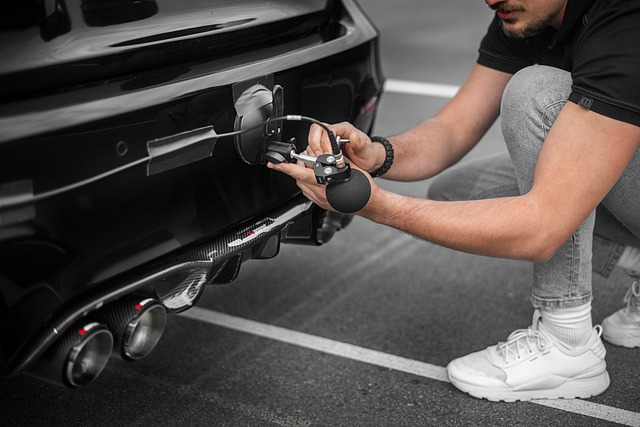
To register your car in California, you’ll need to submit detailed information about your vehicle, including its unique Vehicle Identification Number (VIN). This critical step ensures that the state can track and verify ownership, safety standards, and emissions compliance. One crucial aspect of this process is VIN verification, which plays a pivotal role in ensuring the legitimacy of your registration.
California offers various methods to complete this verification, with one practical option being mobile VIN verifiers. These services allow you to obtain a precise and immediate read of your vehicle’s VIN, making it convenient for both individuals and auto dealers. For instance, some mobile VIN inspection apps or services can provide instant access to detailed vehicle history reports, including previous owners, service records, and any reported accidents. This digital approach streamlines the registration process, saving time and effort compared to traditional methods.
Data indicates that utilizing a mobile VIN inspector can significantly enhance efficiency during car registration. By providing accurate and up-to-date information, these tools help prevent administrative delays or issues related to incorrect data submission. It’s advisable to choose reputable services that ensure data security and accuracy. For instance, some mobile apps integrate with state databases to validate the VIN against official records, ensuring a seamless registration experience. This modern approach reflects today’s digital landscape, where convenience and precision go hand in hand.
Pay Registration Fees and Receive Your License Plate

Registering a car in California involves several critical steps, and one of the key components is paying the registration fees and obtaining your license plates. After completing the initial paperwork at a California Department of Motor Vehicles (DMV) office or online, the next step is to ensure your vehicle’s Vehicle Identification Number (VIN) is verified. This process is crucial for both safety and legal compliance. A mobile VIN inspection or verification service can greatly simplify this task by allowing the check to be conducted at your convenience, whether at home, work, or on the go.
To verify your VIN, you’ll need to provide accurate information about your vehicle, including its make, model, year, and other identifying details. This information is cross-referenced with data from reliable sources to confirm the vehicle’s authenticity. For instance, many mobile VIN inspection services use advanced technology and databases to perform real-time checks, ensuring that the vehicle matches the provided specifications and hasn’t been reported as stolen or had any outstanding issues. By utilizing these services, you can streamline the registration process and avoid potential delays or complications.
Once your VIN is successfully verified, you’ll be ready to pay the required registration fees. These fees vary based on several factors, including the type of vehicle, its age, and the specific region within California. It’s essential to understand these charges to ensure you’re prepared for the financial commitment. After payment, you’ll receive your license plates, typically with a unique combination of letters and numbers assigned to your vehicle. These plates serve as official markers of registration, enhancing road safety by identifying vehicles that have met all necessary legal requirements.
Registering a car in California involves a straightforward process that requires careful preparation of essential documents, such as proof of identification, insurance, and vehicle information, including VIN verification. By visiting your local California Department of Motor Vehicles (DMV), you’ll facilitate the submission of these documents, ensuring compliance with state regulations. The key takeaways are clear: Prepare all necessary paperwork, verify your vehicle’s unique identifier (VIN), pay the associated fees, and obtain your license plate to legally operate your vehicle in California. This comprehensive guide ensures that you’re well-equipped to navigate the registration process with ease and confidence.