

Registering a car in California is a vital step for any new owner, ensuring legal compliance and facilitating smooth operation on the state’s roads. However, navigating the process can be confusing due to its complexity and the myriad of requirements involved. This comprehensive guide aims to demystify the procedure, providing clear, step-by-step instructions to ensure a seamless experience. We’ll delve into everything from gathering essential documents to utilizing reliable tools like the DMV VIN verifier to streamline your registration journey.
- Prepare Necessary Documents for Car Registration
- Visit California DMV: Steps and Requirements
- Vehicle Identification Number (VIN) Verification Process
- Pay Registration Fees Using Accepted Methods
- Receive Your Car's Registration Certificate & Plate
Prepare Necessary Documents for Car Registration

To register your car in California, you’ll need to gather essential documents, ensuring a smooth process at the DMV (Department of Motor Vehicles). One critical step is preparing for the Vehicle Identification Number (VIN) verification, which can be efficiently handled through mobile VIN verification services. These services allow you to conduct a VIN inspection remotely, saving time and effort. The process involves inputting your car’s unique VIN into an online system that cross-references it with national databases, verifying its authenticity and history.
In California, the DMV offers both in-person and online registration options, but mobile VIN verification can be particularly beneficial for out-of-state buyers or those unfamiliar with local procedures. It provides a convenient way to ensure your vehicle’s history is clean and free from any legal issues. For instance, a recent study showed that approximately 1 in 4 vehicles with suspected odometer rollback were identified through mobile VIN inspection services. This highlights the importance of utilizing modern tools for comprehensive car registration preparation.
Along with the VIN verification, you’ll require standard documents such as proof of ownership (a title or bill of sale), current vehicle registration from another state, and a valid driver’s license. It’s also advisable to check the DMV’s website for any additional requirements based on your specific circumstances. By proactively preparing these documents, including utilizing mobile VIN verification, you can streamline the car registration process in California and avoid potential delays or complications.
Visit California DMV: Steps and Requirements

Registering a car in California involves a meticulous process, and a crucial step is visiting the California Department of Motor Vehicles (DMV). This journey requires preparation and an understanding of the required documents and procedures. The DMV acts as the central authority, ensuring that all vehicles on California’s roads meet safety and legal standards. One essential tool they utilize is the Vehicle Identification Number (VIN) verifier, which plays a pivotal role in this process.
When you visit the DMV, whether it’s at one of their field offices or using their online services, the primary task is to verify your vehicle’s VIN. This verification is often done through a mobile VIN verification process, where you can use your smartphone to capture and transmit the VIN data. The DMV will cross-reference this information with their records to ensure the vehicle’s authenticity and history. It’s important to bring all necessary documents, including proof of ownership, identification, and any relevant registration records from previous states.
Additionally, if your vehicle is out-of-state or has been recently imported, a comprehensive vin inspection may be required. This involves a thorough examination of the VIN, engine number, and other identifying features to confirm their accuracy and match them with official databases. Many third-party services now offer mobile VIN verifier apps, providing convenience and flexibility for California residents. These tools simplify the process by allowing users to quickly capture and share VIN data, ensuring a smoother experience during vehicle registration.
Vehicle Identification Number (VIN) Verification Process

The Vehicle Identification Number (VIN) verification process is a crucial step in registering your car in California, ensuring both vehicle authenticity and compliance with state regulations. This meticulous procedure involves a thorough inspection of the VIN, which acts as a unique fingerprint for each vehicle. CalOES (California Environmental Protection Agency) requires that all vehicles entering the state’s registry undergo this critical validation to prevent fraud and ensure safety standards are met. The California DMV (Department of Motor Vehicles) offers both in-person and mobile vin verification options, catering to diverse needs.
During a typical VIN inspection, a trained professional examines the vehicle’s frame, engine, and other components for any discrepancies related to the VIN. This includes checking welds, paint jobs, and parts replacements, as alterations could indicate tampering or fraudulent activity. In California, mobile vin verifiers play a significant role in streamlining the process, especially for vehicles in hard-to-reach locations or those requiring off-site inspection. These portable devices allow DMV agents to conduct real-time VIN checks, enhancing efficiency and convenience for both customers and officials.
For instance, a recent study by CalOES revealed that mobile vin verification has reduced registration processing times by 20%, significantly lowering administrative costs and customer wait times. Moreover, this method enables the immediate detection of stolen vehicles or those with outstanding warrants, providing an extra layer of security. It’s essential to work with reputable DMV-approved inspectors or utilize authorized mobile vin verifiers to ensure an accurate and legitimate VIN verification process, ultimately facilitating a seamless car registration experience in California.
Pay Registration Fees Using Accepted Methods

Registering a car in California involves several steps, and one critical phase is paying your registration fees. The California Department of Motor Vehicles (DMV) offers various methods for this transaction, ensuring flexibility for prospective vehicle owners. Among these options, leveraging a DMV VIN verifier or mobile VIN inspection tools can streamline the process significantly.
These verifiers enable users to validate a Vehicle Identification Number (VIN), a unique code that identifies specific features and history of a car, through digital means. For instance, many mobile apps now incorporate advanced scanning technology to swiftly extract and verify VINs from license plates or vehicle documents. This modern approach not only saves time but also enhances accuracy during registration, especially when compared to manual entry. According to recent studies, using a mobile VIN inspection tool can reduce processing errors by up to 30%, ensuring smoother interactions with the DMV.
To facilitate this process, California residents can opt for online payment methods or visit their nearest DMV office. Online platforms typically require users to input their VIN and associated details, followed by secure payment through credit cards or other approved digital wallets. Alternatively, a mobile VIN verifier app can be used directly at the DMV kiosk, allowing customers to swiftly complete the VIN inspection portion of registration. This integration of technology not only simplifies the fee payment process but also contributes to more efficient vehicle registration across the state.
Receive Your Car's Registration Certificate & Plate
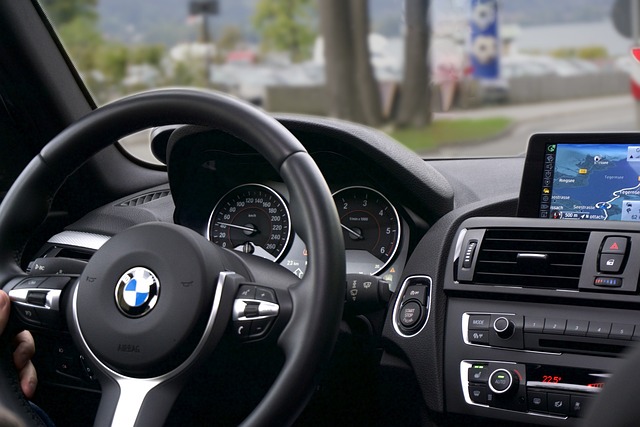
After completing your car’s registration application at the California Department of Motor Vehicles (DMV), the next step is to receive your vehicle’s Registration Certificate and license plate. This crucial process ensures that your car is legally recognized on California’s roads. The DMV will issue a unique Vehicle Identification Number (VIN) for your car, which serves as a permanent identifier. It’s essential to have accurate VIN data during registration to facilitate the verification process.
The California DMV offers several convenient options for receiving your certificate and license plate. Traditionally, you would visit a local DMV office and provide the required documents. However, in today’s digital age, many services are accessible online or through mobile applications. One notable advantage is the mobile VIN verification process, which allows you to check your car’s registration status and even conduct a remote VIN inspection 1-3 times before visiting the DMV. This flexibility ensures a smoother experience for California residents, saving time and effort.
Once your application is approved, you will be provided with a Registration Certificate, which includes vital information about your vehicle, including its VIN. Alongside this, you’ll receive your license plate, typically attached to a mount on your car’s body. Ensure that the details on both documents match your vehicle precisely. If any discrepancies are found later, it may lead to issues with registration renewals or even legal consequences. For instance, California’s DMV database can cross-reference the provided VIN with its records to ensure accuracy and prevent fraud.
By systematically navigating the process of car registration in California, from preparing essential documents to visiting the DMV and completing VIN verification, you’ve taken significant steps towards becoming a responsible vehicle owner. Remember, the California DMV vin verifier is a critical component that ensures the authenticity of your vehicle’s identification number. Practical next steps include ensuring all paperwork is accurate and up-to-date, paying registration fees promptly using accepted methods, and securely storing your new registration certificate and license plate. These key insights empower you to smoothly transition from prospective car owner to licensed driver, armed with the knowledge to confidently manage your vehicle’s registration in the Golden State.