

Registering a car in California is not just a bureaucratic formality; it’s a crucial step towards becoming a responsible vehicle owner. The process can be labyrinthine, with numerous steps and potential pitfalls, especially for new owners. This article serves as your comprehensive guide, offering expert insights on every aspect of the registration process, from gathering necessary documents to ensuring accurate VIN verification. By the end, you’ll be equipped with the knowledge to navigate this symphony of requirements effortlessly.
- Gather Required Documents for Car Registration
- Prepare Your Vehicle for Inspection: VIN Verification
- Choose a California Department of Motor Vehicles (DMV) Office
- Submit Applications and Pay Fees for Registration
- Receive Your Car's Registration and License Plate
Gather Required Documents for Car Registration

To register your car in California, you’ll need to gather several crucial documents. At the core of this process is ensuring your vehicle’s Vehicle Identification Number (VIN) is verified accurately. This step is vital for maintaining the integrity of California’s motor vehicle records and confirming the authenticity of your car. One efficient method to facilitate this verification is through a mobile VIN verifier or inspection service, which can be conducted right from your location.
Among the essential documents you’ll require are proof of ownership, often in the form of a title document, and valid identification, such as a driver’s license. It’s also imperative to present current registration papers (if applicable) from your previous state of residence. Furthermore, insurance paperwork demonstrating adequate coverage for your vehicle is mandatory before you can register. Some California counties might accept proof of insurance through an email or mobile app, while others may necessitate physical documents.
A key aspect of the process involves obtaining a clean vehicle history report, which can be achieved using online services that provide comprehensive VIN verification. These tools cross-reference your vehicle’s unique VIN against multiple databases to deliver a detailed report outlining any prior accidents, maintenance records, and potential issues. By utilizing mobile VIN inspection or verification services, you can streamline this process significantly, eliminating the need for frequent visits to government offices.
Prepare Your Vehicle for Inspection: VIN Verification

Before registering your car in California, ensure your vehicle passes the required VIN verification inspection. This process involves a detailed examination of your car’s unique Vehicle Identification Number (VIN) to confirm its authenticity and history. A common method for this verification is through the use of a mobile VIN verifier, which offers convenience and efficiency. These tools scan and cross-reference your VIN against national databases, providing instant access to crucial information such as accident reports, flood damage, or previous ownership details.
For instance, California’s Department of Motor Vehicles (DMV) recommends utilizing a mobile VIN verification service to streamline the registration process. This approach saves time and reduces potential errors during the inspection phase. By employing these advanced technologies, you can have peace of mind knowing that your vehicle’s history is accurately represented, which is vital when dealing with regulatory bodies like the DMV.
During the VIN inspection, a professional will check for any discrepancies or signs of tampering with your car’s VIN plate. This plate typically contains encoded information about the vehicle’s manufacturer, model, and production year. It’s essential to keep this plate intact and legible, as any alterations could hinder the verification process. If your vehicle has undergone significant modifications, be prepared to provide detailed documentation to support the changes, ensuring a smooth VIN verification experience.
Choose a California Department of Motor Vehicles (DMV) Office

Choosing the right California Department of Motor Vehicles (DMV) office is a crucial step in registering your car smoothly and efficiently. With numerous DMV locations across the state, selecting one that suits your needs can streamline the process. Consider factors like proximity, waiting times, and specialized services offered, especially when dealing with complex vehicle types or unique registration scenarios. For instance, if you reside in a remote area, opting for a mobile VIN verifier could be ideal, as it brings the inspection to you. These mobile vin inspectors can perform a thorough VIN verification, ensuring all details match before registration.
DMV offices differ in their capabilities and staffing, so it’s wise to check their services beforehand. Some locations may offer expedited registration services or have specialized teams for classic cars or high-performance vehicles. If your car requires additional inspections beyond standard vin inspection, ensure the chosen office can accommodate these needs. For instance, if you’re registering a vintage vehicle, some DMVs have experts who understand the intricacies of older models and can provide historical verification.
Online resources and customer reviews can be invaluable in making this decision. The California DMV website often includes real-time updates on wait times and service availability at different offices. Additionally, peer recommendations and local forums can shed light on which locations offer exceptional service, quick turnarounds, or have friendly, knowledgeable staff. Choosing the right DMV office for your vehicle registration can significantly impact your overall experience, making it less stressful and more efficient.
Submit Applications and Pay Fees for Registration
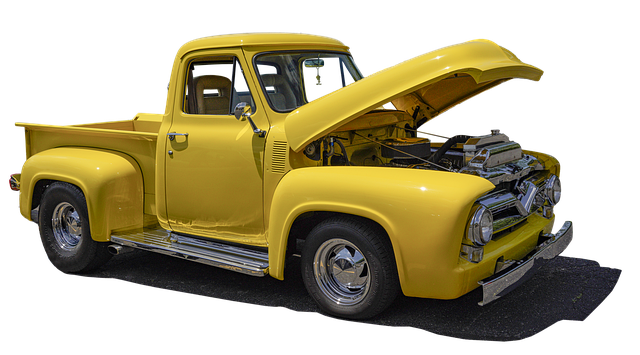
After gathering all necessary documents and verifying your vehicle’s information through a VIN inspection—including a mobile VIN verifier for added convenience—it’s time to submit your applications and pay the registration fees. This crucial step completes the process of registering your car in California, ensuring it complies with state regulations.
To begin, you’ll need to fill out Form MV-5, the Application for Title and Registration. This form requires detailed information about your vehicle, including its make, model, year, and unique VIN number, which has been verified during the previous step. Accurate completion of this form is essential as any errors may delay processing. Alongside the completed application, you’ll be required to provide proof of insurance, a valid driver’s license, and the appropriate registration fees. California offers several payment methods, including credit cards, debit cards, and checks, ensuring convenience for vehicle owners.
Once all documents are in order and fees have been paid, the California Department of Motor Vehicles (DMV) will process your application. This typically takes a few weeks, during which you may receive updates or requests for additional information. Upon approval, you’ll be issued a registration certificate and a license plate, finalizing the registration process. Remember that proper documentation and fee submission are critical to ensure a smooth transition for your vehicle’s legal operation on California roads.
Receive Your Car's Registration and License Plate

After completing the registration application process, it’s time to receive your car’s official registration and license plate. This crucial step finalizes your vehicle’s legal status in California and allows you to take your car on public roads. The process typically involves several key steps. First, ensure that all required documents are in order, including proof of insurance and any applicable emissions test results. Once everything is prepared, submit your application to the DMV, either in-person or online, depending on your preference and local regulations.
Upon approval, you’ll be issued a registration certificate and a set of license plates. The California Department of Motor Vehicles (DMV) will also perform a Vehicle Identification Number (VIN) verification process, which is a critical step to ensure the accuracy of your vehicle’s details. This verification can be completed conveniently through mobile VIN verification services, allowing you to save time and effort. These services provide on-demand VIN inspections, ensuring that your car’s information matches the DMV records.
Attentively review your registration documents for any discrepancies or errors. Regularly conduct a VIN inspection, especially when significant changes are made to your vehicle, such as major repairs or modifications. For instance, data from the DMV shows that proper VIN verification can help prevent fraud and ensure the safety of California’s roads. Consider using a mobile VIN verifier for this purpose, as it offers a swift and reliable method to confirm your car’s identity. This proactive approach enhances the overall integrity of the state’s vehicle registration system.
Registering a car in California involves several crucial steps, from gathering essential documents to completing VIN verification and paying fees. Key takeaways include the importance of preparing your vehicle for inspection, choosing the right DMV office, and submitting all required applications accurately. Always ensure your vehicle meets safety standards and obtain a unique Vehicle Identification Number (VIN) verification, a critical component in the registration process. By following these steps and prioritizing thoroughness, you’ll successfully navigate the process, ensuring your car is legally registered and ready to hit California’s roads with confidence.