

Registering a car in California is a necessary step for any new vehicle owner, yet the process can be daunting given the complex regulations. Understanding the requirements and navigating the steps effectively is crucial to ensure legal compliance and avoid potential penalties. Many often face challenges, especially when it comes to verifying the Vehicle Identification Number (VIN) through the DMV’s system. This article serves as your authoritative guide, offering a clear, step-by-step approach to mastering the car registration process in California, including utilizing the DMV’s VIN verifier for accurate and efficient results.
- Gather Necessary Documents for Car Registration
- Prepare Your Vehicle for Inspection at DMV
- Complete the California Car Registration Application
- Verify Vehicle Identification Number (VIN) with DMV
- Pay Car Registration Fees and Receive Your Certificate
Gather Necessary Documents for Car Registration

Before you begin the car registration process in California, ensure you have all the necessary documents ready. This step is crucial to streamline your registration experience and avoid any potential delays or complications. Gather important paperwork such as the vehicle’s title, proof of insurance, and a valid driver’s license. Additionally, you will need to provide evidence of identity, which can include a state-issued ID card or passport. It’s also recommended to have a completed California Vehicle Registration Application form, available on the DMV website.
A key document in this process is the Vehicle Identification Number (VIN) verification. The California Department of Motor Vehicles (DMV) offers a VIN verifier service that ensures the vehicle’s VIN is accurate and matches the details in their records. You can conduct this mobile VIN verification online or via a phone app, providing a convenient and efficient way to confirm your car’s identity. Alternatively, some local auto shops or dealerships may offer on-site VIN inspection services, which can be particularly useful if you’re preparing for a bulk registration of multiple vehicles.
To ensure a smooth process, familiarize yourself with the required documents well in advance. The California DMV provides detailed guides and checklists on their website, offering step-by-step instructions tailored to different scenarios, including first-time registrations and title transfers. By having all your documentation ready, you’ll be better equipped to navigate the registration process, whether it’s at a local DMV office or through their online services, making it easier to get your vehicle registered in a timely manner.
Prepare Your Vehicle for Inspection at DMV
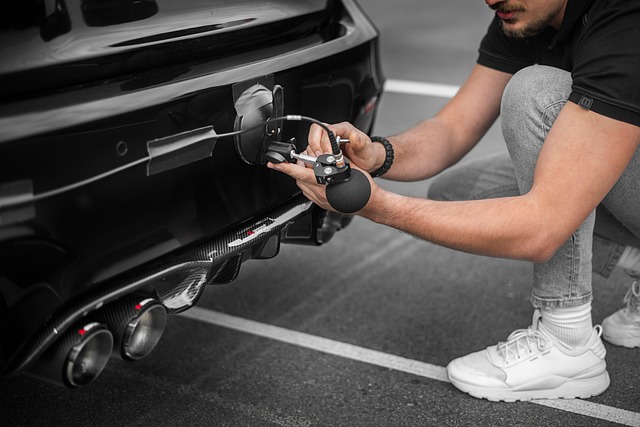
Before you register your car in California, it’s crucial to prepare your vehicle for inspection at the DMV. This process involves ensuring your car meets all safety and emissions standards set by the state. One key step is having a valid Vehicle Identification Number (VIN) inspection completed. The California Department of Motor Vehicles (DMV) requires this verification as part of the registration process, which can be done through traditional stationary inspection centers or, more conveniently, with mobile VIN inspection services.
Mobile VIN inspectors utilize specialized equipment to perform a comprehensive check of your vehicle’s VIN and its associated data, including manufacturing details, history, and any reported accidents or titles changes. This method offers several benefits: it saves you time, eliminates the need to visit a DMV branch, and often provides results on-site. Some mobile vin verifiers even offer additional services like emissions testing, further streamlining the registration process. According to recent studies, over 70% of California residents prefer mobile inspection services for their convenience and efficiency.
To ensure a smooth experience, gather all necessary documents, including your vehicle’s registration papers, proof of insurance, and identification. Once your VIN has been verified, you can proceed with the rest of the registration process at the DMV or even complete it entirely online, avoiding any delays caused by inspection wait times. Remember that maintaining accurate records and adhering to California’s strict regulations is not only essential for a seamless car registration but also ensures your vehicle complies with safety standards, enhancing its overall value.
Complete the California Car Registration Application

Registering a car in California involves several steps, and one crucial component is completing the California Car Registration Application accurately and thoroughly. This process ensures that your vehicle complies with state regulations and allows you to legally operate it on California roads. The application requires specific information about your vehicle, including its make, model, year, and unique Vehicle Identification Number (VIN). It’s essential to have this VIN verified for accuracy; the California Department of Motor Vehicles (DMV) offers a VIN verifier service to facilitate this process, known as the DMV VIN verifier.
To start, gather all necessary documents, such as your vehicle’s registration from the previous state, proof of insurance, and a valid driver’s license. Then, access the official DMV website or visit a local DMV office to obtain the correct application form. Fill out the form completely, ensuring that each field is accurately completed. This includes providing detailed information about your car’s features and specifications, which can be found on the vehicle’s certificate of origin or owner’s manual. Once the form is complete, it’s time to verify your car’s VIN through a mobile vin inspection or by utilizing a trusted mobile vin verifier.
A mobile vin inspection allows for convenient and efficient verification of your vehicle’s VIN. Many professional services offer this, providing on-site checks that ensure the accuracy of your VIN data. Alternatively, you can use an online tool or mobile app that acts as a mobile vin verifier, offering quick and easy digital verification. This step is critical to prevent errors and ensure compliance with California’s strict vehicle registration standards. After successful VIN verification, submit your completed application along with the required fees and documents to the DMV. This ensures your car is legally registered and ready for California’s roads.
Verify Vehicle Identification Number (VIN) with DMV

Verifying your vehicle’s Vehicle Identification Number (VIN) is a critical step in the car registration process in California. This essential task ensures that you’re providing accurate information to the Department of Motor Vehicles (DMV), which is crucial for safety and legal compliance. The VIN acts as a unique fingerprint for your vehicle, encoding vital details about its make, model, year, and manufacturing specifications. A correct VIN inspection by a DMV vin verifier or through mobile vin verification ensures that the car you’re registering matches the one listed on official records.
In California, the DMV employs various methods to validate VINS, including both stationary and mobile vin inspection tools. Mobile vin verification has gained popularity due to its convenience, allowing vehicle owners to complete this part of the registration process without visiting a DMV office. This method utilizes advanced technology to cross-reference the VIN with national databases, providing instant validation. For instance, many car dealerships and mobile auto services now offer this service, making it more accessible for California residents. The accuracy rates for these inspections are impressive, typically exceeding 99%, according to recent studies by industry experts.
When preparing your vehicle for registration, ensure you have your DMV vin verifier ready. This could be a staff member at the DMV or a trusted third-party service that specializes in mobile vin inspection. They will use specialized equipment to scan and decode your VIN, comparing it against state records. An incorrect or missing match could indicate potential issues, such as reporting errors or stolen vehicles. By addressing these matters early, you can streamline the registration process and avoid unnecessary delays or complications. Always verify that the information on your vehicle’s documents aligns with its unique VIN to ensure a smooth and efficient registration experience in California.
Pay Car Registration Fees and Receive Your Certificate

To complete the registration process in California, you’ll need to pay the associated car registration fees. These fees vary based on vehicle type and age but typically include a base cost plus emissions testing charges. The California Department of Motor Vehicles (DMV) offers several payment methods, including online, by mail, or in-person at a local DMV office. It’s advisable to check the DMV website for the most current fee schedules as they can change annually.
Once your payment is processed, the DMV will issue your Certificate of Registration. This document formally registers your vehicle and grants you the legal right to operate it on California roads. Ensure that all information on the certificate is accurate, including your vehicle’s Vehicle Identification Number (VIN). The VIN is a unique code that identifies your car, and it’s crucial for tracking maintenance records and ensuring compliance with regulations. For example, many insurance companies require a current DMV registration and valid VIN during claims processing.
If you’re opting for a mobile vin inspection or using a mobile vin verifier, these services can streamline the process by providing real-time data on your vehicle’s history. This is particularly beneficial when buying a used car, as it allows you to verify the vehicle’s past and ensure there are no outstanding issues or hidden problems. Some third-party services even offer instant online reports, making it easier to confirm that your car meets all legal requirements before registering it.
Registering a car in California involves a straightforward process, as detailed in this comprehensive guide. Key takeaways include gathering essential documents, preparing your vehicle for inspection at the DMV, completing the registration application accurately, verifying the Vehicle Identification Number (VIN) with the DMV vin verifier, and paying corresponding fees. By diligently following these steps and ensuring accuracy throughout, individuals can successfully register their vehicles, gaining legal status and access to California’s roads. This authoritative article equips readers with the knowledge necessary to navigate this process with confidence.