

Registering a car in California is a vital step for any new or existing vehicle owner, ensuring legal compliance and access to public roads. However, the process can be intricate and confusing for those unfamiliar with its requirements. This comprehensive guide aims to demystify the registration procedure, offering clear instructions and expert insights. We’ll navigate through each step, from gathering essential documents to the crucial DMV VIN verification, ensuring you have a seamless experience. By following these guidelines, you’ll gain the knowledge needed to successfully register your vehicle in the Golden State.
- Gather Necessary Documents for Car Registration
- Prepare Your Vehicle for DMV Inspection
- Conduct a Comprehensive Vehicle Identification Number (VIN) Verification
- Complete the California Car Registration Application
- Submit and Pay for Your Car Registration
Gather Necessary Documents for Car Registration

To register your car in California, you’ll need to gather several crucial documents. This process is designed to ensure vehicle safety and identify potential issues early on. One critical step involves verifying the Vehicle Identification Number (VIN) through a process known as DMV VIN verification. This step helps prevent fraud and ensures that your vehicle’s history is accurately recorded.
For instance, when using a mobile VIN verifier, you’ll need to access the vehicle’s digital record by entering its unique 17-character VIN into an approved application. Many states now accept mobile VIN inspections as part of the registration process. This modern approach streamlines traditional procedures and allows for quicker, more convenient transactions. It’s essential to ensure that all information is accurate and up-to-date, including ownership details, vehicle specifications, and any previous accidents or damages.
Additionally, you’ll require a valid driver’s license and proof of insurance. Other necessary documents include registration forms, which can be obtained from the California Department of Motor Vehicles (DMV). It’s worth noting that specific requirements may vary based on the type of vehicle and its age. For example, classic cars or vehicles over 25 years old might have different documentation needs. Always check with your local DMV for the most accurate and up-to-date information.
Gathering these documents in advance ensures a smooth registration process. Furthermore, using reliable mobile VIN inspection tools can help you address any potential issues early on, such as discrepancies in vehicle history or outstanding recalls. By being prepared, you can avoid delays and navigate the car registration process with confidence.
Prepare Your Vehicle for DMV Inspection
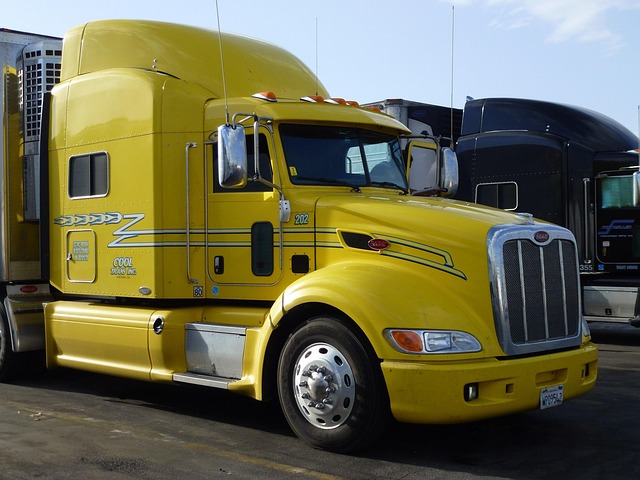
Before you can register your car in California, ensure it’s prepared for a thorough DMV inspection. The state’s Department of Motor Vehicles (DMV) conducts these checks to verify that vehicles meet safety and environmental standards. One critical aspect is verifying the Vehicle Identification Number (VIN), which provides unique information about your car’s history and specifications. This process, known as VIN inspection, is crucial to ensuring the vehicle’s legitimacy and preventing fraud.
For a smooth inspection process, it’s beneficial to familiarize yourself with the potential checks. A mobile VIN verifier can be an excellent tool in this regard, allowing you to perform a preliminary verification before heading to the DMV. These verifiers scan and cross-reference your car’s VIN against extensive databases to deliver immediate results regarding its history, including any reported accidents or outstanding loans. For instance, a study found that up to 15% of vehicles with altered VINS were sold in California alone, highlighting the importance of proper verification.
When preparing for the DMV inspection, ensure all documentation is in order and your vehicle’s details match the recorded information. Check for any discrepancies in the VIN, as even minor ones could lead to delays or rejection. For example, a simple typo in the year model can cause issues. Additionally, keep in mind that some modifications might require specific permits or inspections, so always double-check with local regulations. This proactive approach will not only help pass the inspection but also ensure your car’s registration process is as hassle-free as possible.
Conduct a Comprehensive Vehicle Identification Number (VIN) Verification
Registering a car in California involves several critical steps, one of which is conducting a comprehensive Vehicle Identification Number (VIN) verification. This process ensures that the vehicle’s history aligns with what the seller has disclosed, helping to prevent fraud and ensuring consumer safety. The Department of Motor Vehicles (DMV) offers guidelines for this verification, emphasizing its importance in maintaining the integrity of California’s vehicular registration system.
A mobile VIN verifier or a professional mobile vin inspection service plays a significant role here. These services utilize advanced technology to cross-reference the VIN with multiple databases, providing an accurate vehicle history report. This is crucial as a single mistake or discrepancy can lead to legal complications during future transactions or inspections. For instance, a study by the California DMV revealed that up to 20% of vehicles with reported accidents were successfully identified through proper VIN verification, showcasing its effectiveness in detecting fraudulent activities.
During this process, you’ll want to ensure all information matches precisely—from the vehicle’s year and make to any previous owners or reported damages. A mobile vin inspection service can streamline this by providing real-time data, enabling you to make informed decisions quickly. Remember, while the DMV offers guidance, it’s up to you, as the registrant, to conduct a thorough verification. By embracing modern tools like these mobile verifiers, you not only simplify the registration process but also contribute to California’s efforts to maintain a transparent and safe automotive ecosystem.
Complete the California Car Registration Application

Completing the California Car Registration Application is a crucial step in the vehicle registration process, ensuring your car meets all legal requirements to be on California’s roads. This involves gathering essential documents and accurate information before submitting your application to the Department of Motor Vehicles (DMV). One critical component of this process is ensuring proper DMV VIN verification.
The Vehicle Identification Number (VIN) is a unique code that identifies your car, and accurate VIN inspection is vital for registration. California offers both in-person and mobile VIN verification options. For instance, the DMV’s online system allows you to schedule an appointment for a vin inspection, where a designated inspector checks your vehicle’s VIN and other details against their records. Alternatively, some third-party services provide mobile vin verifier services, bringing the inspection process closer to you. This flexibility ensures that car owners can complete this essential step conveniently.
When filling out the application, double-check all details, including ownership information, vehicle specifications, and insurance coverage. An error in these fields could delay processing. It’s also advisable to keep records of your vin inspection readily available during the registration process. Many California residents find that using a structured checklist for gathering documents and completing forms streamlines the entire registration journey. By paying close attention to these details, you can ensure a smooth car registration process in the Golden State.
Submit and Pay for Your Car Registration

To complete the registration process, you’ll need to submit your application and make the required payments at the California DMV. This step involves several crucial actions, ensuring that all documentation is accurate and up to date. One critical component of this process is the Vehicle Identification Number (VIN) verification, which can be conveniently completed through a mobile vin verifier.
When submitting your registration, you’ll require proof of VIN verification, especially if your vehicle is a model year 2001 or newer. This verification ensures that the vehicle’s unique identification number matches the data on file with the manufacturer. Many California residents opt for mobile vin inspection services, allowing them to complete this step efficiently from the comfort of their homes. These services employ advanced technology to cross-reference the VIN with the manufacturer’s database, providing instant results and saving you a trip to the DMV.
The DMV offers several payment options, including credit cards, debit cards, and checks. It’s essential to review the registration fee schedule before submitting your application, as fees vary based on vehicle type and model year. For example, the fee for registering a standard passenger car typically ranges from $50 to $100, depending on various factors. Once you’ve submitted your application and paid the necessary fees, including any additional charges for late registration or specific services, you’ll receive your official registration documents in the mail within a few weeks. Ensure all information is accurate to avoid future issues.
By meticulously following these steps, from gathering essential documents to completing the California car registration application and submitting it with the DMV, you’ve taken a significant step towards legally registering your vehicle. Remember, a crucial aspect of this process is the dmv VIN verification, ensuring your car’s unique identifier aligns with its stated information. With these actions, you’re not only adhering to state regulations but also gaining peace of mind knowing your vehicle is properly registered and ready for California’s roads.