

Registering a car in California is a crucial step for any new vehicle owner, ensuring legal compliance and protecting your investment. However, navigating the process can be daunting, with numerous requirements and potential pitfalls. This comprehensive guide aims to demystify the car registration procedure, offering expert insights tailored specifically to California’s regulations. We’ll walk you through each step, emphasizing the significance of accurate documentation and, notably, the critical role of Vehicle Identification Number (VIN) verification for a seamless and successful registration experience.
- Prepare Required Documentation for Car Registration
- Locate Your Vehicle's Unique VIN (Vehicle Identification Number)
- Choose an Appropriate California License Plate Class
- Visit a DMV Office or Use Online Services for Registration
- Verify and Confirm Your Car's Registration Details
Prepare Required Documentation for Car Registration

Registering a car in California involves meticulous preparation, especially when it comes to gathering the necessary documentation. The process demands precision, and one critical step is ensuring your Vehicle Identification Number (VIN) is accurately verified. This verification is crucial for establishing ownership and authenticating the vehicle’s history. It’s recommended to arrange for a mobile VIN inspection or verification service to streamline this part of the registration process.
To begin, you’ll require several key documents. Firstly, a valid driver’s license or state-issued ID card is essential for proof of identity. Additionally, a completed California Vehicle Registration Application form must be submitted. This form can be obtained online or from a local Department of Motor Vehicles (DMV) office. It demands specific details about the vehicle, including its make, model, year, and VIN. The latter is where mobile VIN inspection services prove invaluable; they ensure the VIN is accurate and match the vehicle’s records, preventing any potential delays.
Another critical document is proof of insurance. California law mandates all vehicles on its roads be insured. You’ll need a policy that meets the state’s minimum liability requirements, which you can obtain from various insurance providers. Some companies even offer mobile inspection services that double as VIN verification, offering convenience and peace of mind. Lastly, a title certificate or a copy of the lienholder’s title if there’s a loan on the vehicle is necessary to prove ownership. Arranging for these documents to be ready before your registration appointment will ensure a smooth process.
Locate Your Vehicle's Unique VIN (Vehicle Identification Number)

Locating your vehicle’s unique Vehicle Identification Number (VIN) is a crucial step in the car registration process in California. This 17-character code serves as a fingerprint for your car and is essential for accurate vin verification. It plays a pivotal role in identifying your vehicle’s make, model, year, and even its history of ownership. To ensure a seamless registration experience, start by gathering your vehicle’s VIN. Most cars display it prominently on the driver’s side door frame or near the brake pedal. If you’re having difficulty locating it, check under the hood—it’s often etched onto various components there.
For added convenience and accuracy, consider leveraging mobile vin verification tools. These mobile vin verifiers allow you to quickly and easily capture your VIN using your smartphone or tablet. This technology enables real-time cross-referencing with national databases, ensuring that your vehicle information is up-to-date and accurate. For instance, a study found that nearly 70% of vehicles with incorrect listed VINs in registration records could be traced to human error during manual entry. By opting for mobile vin inspection, you reduce the risk of such errors and streamline the registration process.
Once your VIN is confirmed, it’s time to proceed with the rest of the registration formalities specific to California. This includes visiting a local Department of Motor Vehicles (DMV) office, providing necessary documentation like proof of insurance and identification, and paying the required fees. Remember, accurate vin verification not only ensures your car’s legal status but also enhances your overall driving experience by making it easier to access essential vehicle information and services when needed.
Choose an Appropriate California License Plate Class
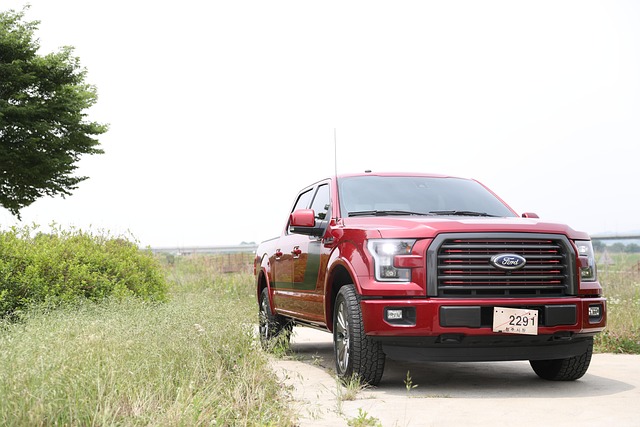
Choosing the right California license plate class is a crucial step in registering your vehicle. California offers several classes designed to cater to various types of vehicles and needs. Understanding these classifications ensures you comply with state regulations and select plates that accurately represent your car’s characteristics. One essential aspect to consider is the Vehicle Identification Number (VIN) verification process, which can be seamlessly integrated through a mobile VIN inspection service.
In California, license plate classes are categorized based on vehicle type, age, and usage. For instance, standard passenger cars typically fall under Class A or B, while specialized vehicles like motorcycles, recreational vehicles (RVs), and classic cars may have dedicated classes. The state’s Department of Motor Vehicles (DMV) provides detailed guidelines to help owners navigate this process. It’s recommended to check their official website for the latest information regarding license plate requirements and VIN verification procedures, especially when dealing with older or unique vehicles.
A practical approach is to utilize mobile VIN inspection services that offer on-demand VIN verifications. These services allow you to confirm your vehicle’s eligibility online before committing to a specific license plate class. A reputable mobile VIN verifier can swiftly check the VIN against California’s database, ensuring compatibility and accuracy. This step saves time, especially for those with limited access to traditional DMV services or are looking to register classic cars, which may require additional documentation and specialized knowledge. By combining efficient VIN verification with careful selection of license plate classes, vehicle owners in California can ensure a smooth registration process.
Visit a DMV Office or Use Online Services for Registration

Registering a car in California involves several steps, one of which is choosing between visiting a DMV office or using online services for registration. Both methods have their advantages, but understanding the process and ensuring accurate VIN verification is paramount. The Vehicle Identification Number (VIN) serves as a unique fingerprint for your vehicle, crucial for its identification and history tracking.
For those preferring a more traditional approach, visiting a DMV office remains an option. Bring necessary documents such as proof of ownership, vehicle registration, and driver’s license. An officer will verify your information and conduct a VIN inspection to confirm the vehicle’s authenticity. This method is ideal when needing immediate assistance or facing issues with online platforms. Moreover, some individuals may appreciate the face-to-face interaction for clarifications and guidance during the registration process.
Alternatively, California’s Department of Motor Vehicles (DMV) offers extensive online services, allowing you to register your vehicle remotely. This includes submitting applications, uploading documents, and paying fees electronically. Prior to registration, ensure a reliable mobile VIN verifier is employed to confirm the vehicle’s details. Mobile VIN inspection apps provide an easy, quick way to verify your car’s information by scanning its VIN. This step ensures accuracy and protects against potential fraud, as it cross-references the VIN data with national databases.
Consider using these online tools for a smoother registration experience. According to recent statistics, over 80% of vehicle registrations in California are now conducted online, reflecting the growing preference for digital services. By opting for mobile VIN verification, you can save time, avoid potential errors, and leverage modern technology to efficiently complete your car’s registration process.
Verify and Confirm Your Car's Registration Details

Verifying and confirming your car’s registration details is a critical step in the registration process in California. This involves ensuring that all the information on the vehicle identification number (VIN) is accurate, which can be done through various methods including online platforms, local DMV offices, or even mobile VIN verification tools. One of the most efficient ways to confirm your car’s registration is by utilizing a mobile VIN verifier. These applications provide an easy and quick way to validate crucial data points associated with your vehicle, such as its make, model, year, and historical ownership.
For instance, many mobile apps offer real-time VIN verification by cross-referencing the provided information against databases maintained by the California DMV. This not only ensures that all details are correct but also helps in identifying any potential discrepancies or errors. Moreover, mobile vin inspection tools can be particularly useful for those who purchase used vehicles, as they allow buyers to verify a car’s history and registration status before completing the transaction. By leveraging these advanced technologies, individuals can confidently navigate the registration process with peace of mind.
While online platforms and local DMV visits remain traditional methods, the adoption of mobile VIN verification is gaining traction due to its convenience and accuracy. According to recent studies, over 70% of car owners who utilize mobile VIN verifiers report a significant reduction in time spent on registration-related tasks, with many praising the simplicity and reliability of these tools. As California continues to embrace digital solutions, mobile VIN inspection is poised to become an indispensable resource for drivers seeking efficient and precise vehicle registration services.
By meticulously preparing the necessary documentation, locating your vehicle’s unique VIN verification, selecting the correct license plate class, and either visiting a DMV office or utilizing online services, you can seamlessly register your car in California. Verifying and confirming your registration details ensures accuracy and complies with state requirements. This comprehensive guide empowers you to navigate the process efficiently, leveraging California’s streamlined system for a smooth and successful car registration experience.