

Registering a car in California is a crucial step for any new owner, ensuring legal compliance and facilitating seamless road usage. However, navigating the process can be daunting, given the intricate procedures and documentation requirements. This comprehensive guide aims to demystify the journey, offering expert insights into every step, from gathering essential documents to completing the DMV VIN verification. By following these detailed instructions, you’ll gain confidence in managing this vital task, ensuring a smooth and efficient registration experience.
- Gather Necessary Documents for Car Registration
- Visit California DMV: Steps for Vehicle Registration
- Complete Online Application: A Step-by-Step Guide
- DMV VIN Verification: Ensuring Vehicle Authenticity
- Pay Registration Fees and Receive Your License Plate
Gather Necessary Documents for Car Registration

Before you can register your car in California, you’ll need to gather several key documents. This process is designed to ensure compliance with state regulations and verify vehicle authenticity. One crucial aspect of this preparation involves obtaining a valid Vehicle Identification Number (VIN) verification. The California Department of Motor Vehicles (DMV) requires this step for all registrations, emphasizing the importance of accurate and up-to-date information.
A common and efficient method to achieve this is through a mobile VIN inspection or mobile VIN verifier. These services allow you to have your vehicle’s VIN checked remotely by professionals who can confirm the number’s validity and accuracy. This is particularly beneficial for out-of-state purchases or when dealing with less-accessible vehicles. For instance, if you’re buying a classic car, a mobile vin verification service can ensure that the historical records match the presented VIN, protecting your investment from potential fraud.
In addition to the VIN, you’ll need typical registration documents like proof of insurance, a bill of sale (for private sales), and a vehicle ownership history report. Some counties in California may also require additional forms or fees. It’s advisable to check with your local DMV branch for specific requirements. By gathering these essential documents, you’re well on your way to a smooth car registration process, ensuring that all aspects are accurately verified, including the DMV VIN verification.
Visit California DMV: Steps for Vehicle Registration

To register your car in California, you’ll need to visit a local Department of Motor Vehicles (DMV) office. The process is straightforward but requires specific documentation and steps. First, gather essential documents such as proof of ownership, vehicle identification number (VIN) verification, and valid identification. You can obtain VIN verification through traditional methods by visiting a DMV office or leverage modern solutions like mobile VIN inspection services, which provide convenient, on-site VIN checking using a mobile VIN verifier.
Once you have all the necessary documents, visit your nearest California DMV. Bring along your car’s title, registration certificate (if transferring ownership), and a valid driver’s license or state ID. The DMV agent will guide you through the process, which includes filling out registration forms and submitting the required fees. During this time, they’ll also conduct a thorough inspection of your vehicle to ensure it meets safety standards.
After completing the paperwork, you can expect a processing period of approximately 30 days. During this time, the DMV will verify your VIN through their systems, ensuring the vehicle’s history aligns with the information provided. For added convenience, mobile VIN verification services can expedite this process by providing instant, accurate data directly to the DMV. Once approved, you’ll receive your new registration certificate and license plate, officially registering your car in California.
Complete Online Application: A Step-by-Step Guide
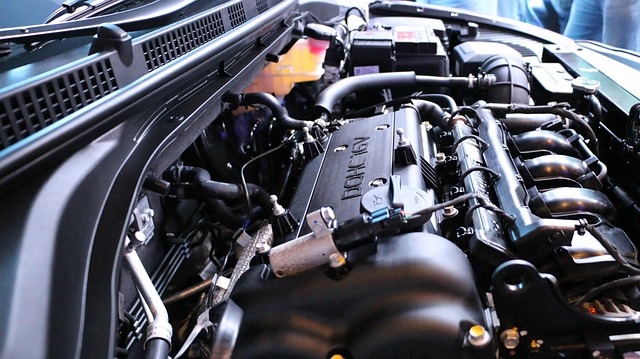
Registering a car in California involves several crucial steps, and completing the online application is one of the most efficient ways to initiate this process. This step-by-step guide will ensure you navigate through the process with ease. Firstly, gather all necessary documents, including your vehicle’s registration certificate, proof of insurance, and identification like a driver’s license or state ID. Once ready, access the California Department of Motor Vehicles (DMV) website, which offers an intuitive online application for car registration.
On the DMV website, locate the ‘Register a Vehicle’ section and select the appropriate option based on your vehicle type. Here, you’ll be required to provide detailed information about your car, with a key step being the Vehicle Identification Number (VIN) verification. This is where using a mobile VIN verifier can streamline the process; simply enter your VIN into an approved app, which will instantly provide crucial data, including the vehicle’s make, model, and year, eliminating manual data entry errors. Ensure accuracy during this stage as it’s essential for further DMV vin verification.
Proceed to input your personal details, such as name, address, and contact information. The application will also ask for payment information; California residents can typically pay online using a debit or credit card. After submission, expect a confirmation number and an estimated processing time. Notably, if you’re replacing a lost registration, there might be additional requirements, like providing proof of the previous registration. Always refer to the DMV’s guidelines for accurate, up-to-date information, and consider utilizing mobile VIN inspection tools at this stage to ensure a smooth registration experience.
DMV VIN Verification: Ensuring Vehicle Authenticity
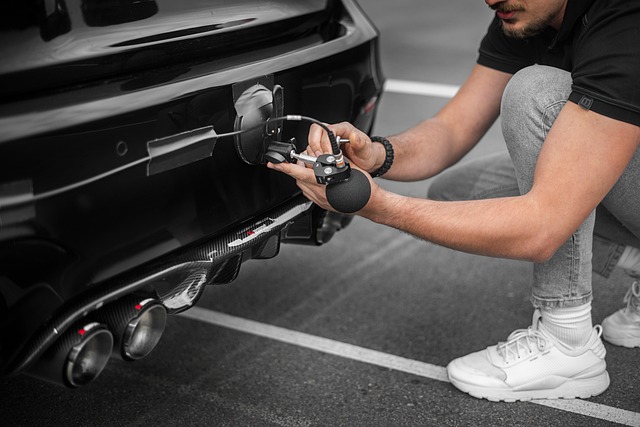
The process of registering a car in California involves several crucial steps to ensure vehicle authenticity and compliance with state regulations. One of the critical aspects is DMV VIN verification, which serves as a cornerstone for maintaining a secure automotive ecosystem. Every vehicle identification number (VIN) holds unique data, including manufacturer details, model specifications, and historical ownership records. To register your car, you must prove that it matches these criteria to prevent fraud or unauthorized activities.
DMV vin verification is typically conducted through rigorous inspection protocols. California’s Department of Motor Vehicles (DMV) employs advanced systems to cross-reference the provided VIN with their extensive databases. This process involves comparing vehicle details against records, ensuring consistency in model year, make, and other specifications. For instance, a mobile vin verification service can be utilized, where a specialized scanner captures the VIN and transmits the data for instant validation. This modern approach streamlines the registration process, allowing individuals to complete their transactions efficiently without compromising accuracy.
While traditional methods of inspection are reliable, embracing innovative solutions like mobile vin verifiers enhances the overall efficiency. These devices are designed to deliver near-instant results, reducing wait times and potential errors associated with manual data entry. Moreover, they offer convenience by enabling on-site VIN checks, especially beneficial for buyers and sellers engaged in private transactions. By adopting such technologies, California’s DMV not only improves service delivery but also fortifies the integrity of its vehicle registration system.
Pay Registration Fees and Receive Your License Plate

After completing your California car purchase and having the vehicle inspected by a licensed smog test center, it’s time to focus on registration. The next crucial step in the process involves paying registration fees and receiving your license plates. This phase is essential for legally operating your vehicle on California roads. To streamline this procedure, many residents opt for convenient mobile vin verification services that include mobile vin inspectors. These professionals can perform a DMV vin verification directly at your location, saving you time and effort compared to traditional methods of visiting a DMV office.
To begin the process, head to the California Department of Motor Vehicles (DMV) website or visit a local DMV field office. You’ll be required to pay various fees associated with vehicle registration, including a registration fee, vehicle security fee, and emission inspection fee, if applicable. The exact amounts vary based on your vehicle type and emissions standards. As you prepare the necessary documents, such as proof of insurance and ownership, don’t overlook the importance of accurate vehicle identification number (VIN) data. A mobile vin verifier can assist in ensuring that the VIN on your vehicle’s registration matches the one listed in DMV records through a quick and efficient inspection.
Once all fees are paid, you’ll receive your license plates. These plates typically display unique combinations of letters and numbers assigned to your specific vehicle. It’s crucial to securely affix these plates to your car as per California regulations. Some regions may also require displaying an annual registration sticker for increased visibility. By completing this step, you’ll not only comply with state laws but also ensure the safety and legality of your vehicle on California roads. Remember, maintaining up-to-date registration is key to avoiding penalties and ensuring uninterrupted use of your vehicle.
Registering a car in California involves several steps, from gathering essential documents to completing an online application and ensuring accurate DMV VIN verification. Key takeaways include the importance of preparing all necessary paperwork, understanding the detailed process at the California DMV, and following a straightforward step-by-step guide for the online application. Moreover, proper vehicle authenticity checks through DMV VIN verification are crucial for a successful registration. By diligently navigating these steps and prioritizing accuracy, individuals can ensure their car’s registration is seamless and compliant with state regulations. This authoritative article provides readers with the comprehensive knowledge needed to confidently register their vehicles in California.