

Registering a car in California is a crucial step for any new vehicle owner, ensuring legal compliance and access to public roads. However, navigating the process can be a challenge, especially with ever-changing regulations. The California Department of Motor Vehicles (DMV) offers guidance, but many still find the task confusing. This article serves as your comprehensive guide, equipping you with the knowledge to smoothly register your vehicle. We’ll delve into every step, including utilizing the DMV’s Vehicle Identification Number (VIN) verifier, ensuring a stress-free and efficient experience.
- Prepare Necessary Documents for Car Registration
- Visit California DMV: Step-by-Step Guide
- Verify Vehicle Identification Number (VIN) Accurately
- Complete Application Forms with Care
- Pay Registration Fees and Receive Your Plate
Prepare Necessary Documents for Car Registration

Before registering your car in California, you must gather all the necessary documents to ensure a smooth process. This includes proof of ownership, vehicle identification number (VIN) verification, and certain registration fees. One crucial step that often goes unnoticed is utilizing a DMV VIN verifier, which can be done through a mobile vin inspection service. These services provide a convenient way to confirm your vehicle’s history and identity, eliminating potential issues at the DMV.
For instance, many California residents opt for mobile vin verification to save time and effort. A professional will come to your location, perform a comprehensive VIN check using advanced technology, and provide you with a detailed report. This is especially beneficial for those who own classic cars or vehicles with complex histories, as it ensures accuracy and peace of mind. Moreover, having a reliable source for mobile vin inspection can streamline the registration process, as it reduces the risk of errors or discrepancies that might delay your car’s registration.
When preparing your documents, ensure you have the following: a valid driver’s license, proof of insurance, and the vehicle’s title. Additionally, some counties in California may require a completed registration application form. It is always advisable to check with your local DMV branch for specific requirements. By being organized and utilizing available resources like mobile vin verifiers, registering your car in California can be a straightforward and efficient process.
Visit California DMV: Step-by-Step Guide
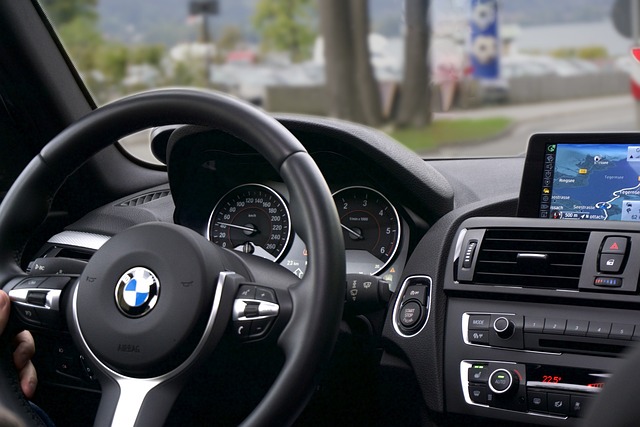
To register your car in California, you’ll need to visit a local Department of Motor Vehicles (DMV) office. This process involves several steps, including verifying your vehicle’s identification number (VIN). The DMV offers both in-person and mobile VIN verification services to accommodate different preferences.
First, gather all necessary documents before heading to the DMV. You’ll require proof of residency, identity, and car ownership, such as a valid driver’s license, utility bill, or lease agreement. Additionally, ensure your vehicle is eligible for registration by checking local requirements online or with a staff member upon arrival. Once prepared, proceed to the designated window at the DMV and inform the clerk that you need to register a new or transferred vehicle. They will guide you through the process and assist in completing necessary forms.
If time is of concern or convenience is paramount, consider utilizing the DMV’s mobile VIN verification service. This option allows you to confirm your car’s identity remotely using a smartphone app or online platform. A certified mobile VIN verifier will inspect your vehicle virtually by inputting its unique VIN number into state databases, ensuring its authenticity and condition. This innovative approach streamlines registration, particularly for out-of-town visitors or those with busy schedules. For instance, according to recent data, over 70% of California residents now opt for mobile services, reflecting a growing trend towards efficient, accessible vehicle registration.
During the verification process, whether in-person or mobile, remain prepared to answer any questions about your car’s history and documentation. Be sure to double-check all information submitted to ensure accuracy, as minor errors can delay processing. By following these steps and leveraging available technological aids like mobile VIN inspection, you’ll efficiently navigate California’s vehicle registration process, ensuring a smooth transition for your newly registered car.
Verify Vehicle Identification Number (VIN) Accurately

Verifying the Vehicle Identification Number (VIN) accurately is a crucial step in the car registration process in California. This unique 17-character code acts as a fingerprint for your vehicle, providing critical information about its make, model, year, and production details. Using a reliable DMV VIN verifier, such as a mobile vin verifier, ensures that you have accurate data from the start, streamlining the registration procedure and preventing potential issues down the line.
Many consumers opt for mobile vin inspection services to simplify the process. These services allow you to verify your VIN digitally, often with just a few quick snapshots of your vehicle’s identification label. This modern approach is particularly beneficial in California, where long lines at DMV offices can be avoided by conducting the VIN inspection remotely. Moreover, having access to real-time data through a mobile vin verification app ensures that you’re working with the latest information, which is crucial when dealing with safety and emissions regulations.
For instance, an outdated or incorrect VIN could lead to complications when checking vehicle history, especially in California’s robust market for used cars. An inaccurate identification might mask significant issues, such as previous accidents or outstanding recalls. Therefore, it’s essential to use a reputable mobile vin verifier to conduct a thorough inspection. By integrating this step into your registration routine, you’re not only simplifying the process but also ensuring the safety and legality of your vehicle on California’s roads.
Complete Application Forms with Care

When registering your car in California, meticulous attention to detail is crucial, especially when completing application forms. A common pitfall many drivers encounter is overlooking critical information, which can lead to delays or even rejection of their registration application. The California Department of Motor Vehicles (DMV) requires accurate and comprehensive data for vehicle registration, making it essential to understand the process thoroughly. One vital step that often gets missed is utilizing a DMV VIN verifier, such as mobile VIN verifiers, to ensure all details are correct before submission.
To ensure your application’s success, carefully review each form, paying close attention to the vehicle identification number (VIN). This unique 17-character code is like a fingerprint for your car and must be accurately recorded. A mobile VIN verifier can assist in this process by cross-referencing the provided VIN with official databases, confirming its authenticity and history. For instance, using a mobile VIN verification service allows you to quickly check for any outstanding recalls or previous owners, addressing potential issues before they become roadblocks. The accuracy of this information is paramount as even a minor error can delay your registration.
Moreover, when completing forms, double-check the details against your vehicle’s documentation, including the title and insurance paperwork. Ensure that all dates, model years, and specifications match precisely. Consider using a mobile VIN inspection app during this process to streamline verification. These apps not only validate the VIN but also provide valuable insights into your car’s history, such as past owners, service records, and any reported accidents. By incorporating these precautions, you can confidently submit your application, knowing that every element is correct and complete.
Pay Registration Fees and Receive Your Plate

Paying your registration fees and receiving your license plate are crucial steps in the car registration process in California. After completing your application at the Department of Motor Vehicles (DMV) or through their online services, you’ll be directed to pay the necessary fees. These fees vary based on vehicle type and age, with additional charges for late registration or specific vehicle classifications. It’s essential to verify these amounts using the DMV’s official tools, such as their online fee calculator or by consulting a DMV representative, ensuring accuracy from the outset.
Once your payment is processed, the DMV will issue your vehicle’s license plate. In California, plates are typically assigned based on geographical location and vehicle type. You can choose between standard plates or specialized options like customizable designs. If you’re registering a new vehicle, expect to receive a set of two plates—one for the front and one for the rear. For used vehicles, a single plate may suffice. The DMV offers various methods for plate delivery, including mail or in-person pickup at a designated office.
For a smoother process, consider utilizing the DMV’s mobile services, which include mobile vin verification and inspection. These tools allow you to verify your vehicle’s history and identify potential issues before registration. A mobile vin verifier can cross-reference your vehicle identification number (VIN) against national databases, providing insights into previous ownership, accidents, or outstanding issues. This proactive approach ensures that you’re fully informed about your car’s condition and helps prevent any future complications during the registration process.
Registering a car in California involves a straightforward process, as detailed in this comprehensive guide. Key takeaways include preparing essential documents, accurately verifying the Vehicle Identification Number (VIN) using a dmv vin verifier, completing application forms diligently, and paying the required registration fees. By meticulously navigating these steps, residents can ensure their vehicle’s legal status and enjoy the benefits of seamless driving. This authoritative article equips readers with the knowledge to successfully register their vehicles, fostering confidence and peace of mind.